For the three women of Madh Island, learning to make these soaps did far more than teach a craft.
It offered them a new kind of authorship.
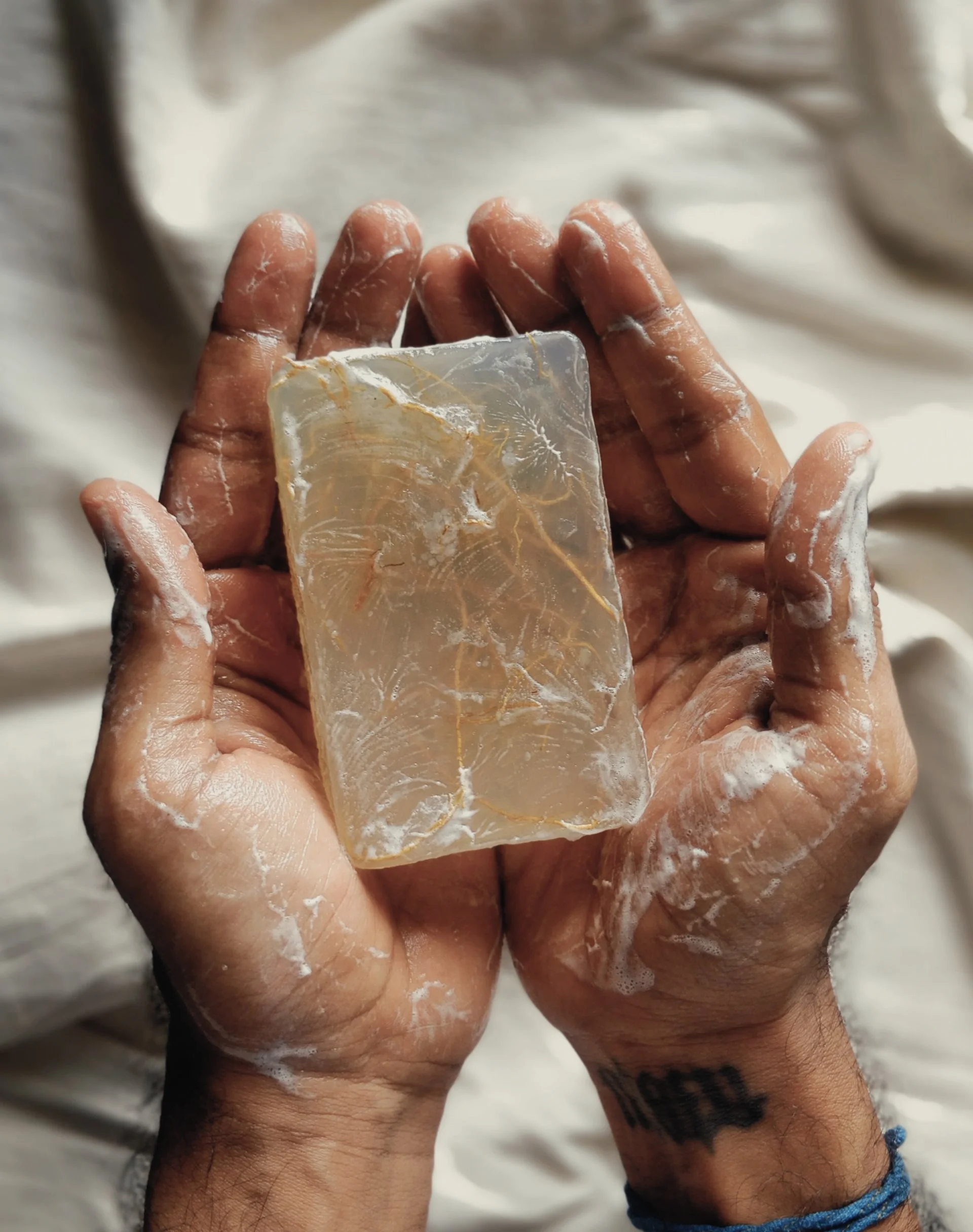
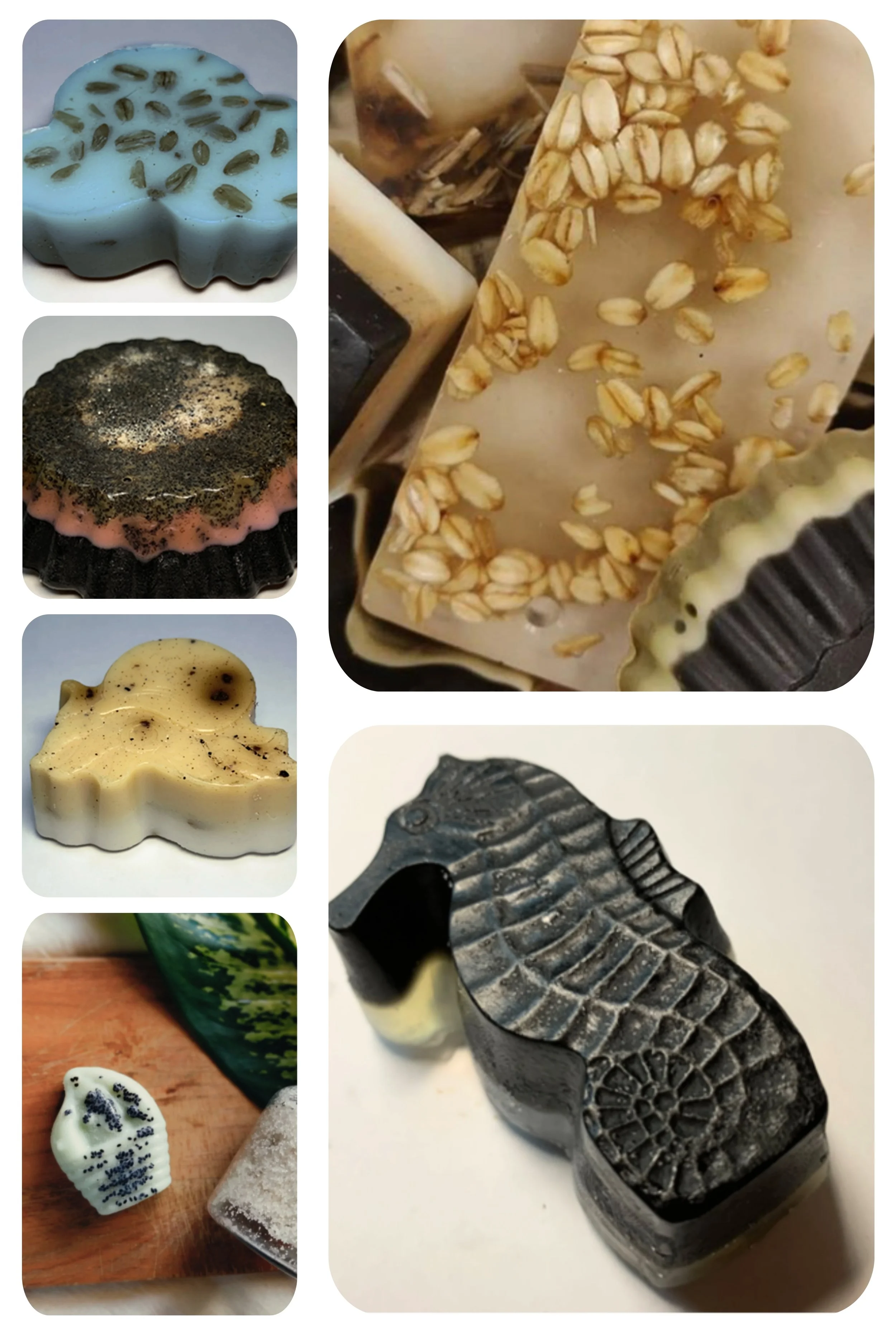
What began as training in measuring oils, blending essential essences, and understanding the alchemy of plants became a path to confidence and economic independence. They learned to work with precision and care, transforming ingredients that were once unfamiliar — goat milk, turmeric, activated charcoal, ambrette seed, lavender, cedarwood — into objects of beauty and utility.
The process changed the way they saw themselves. They were no longer only homemakers or informal workers; they became skilled artisans producing a luxury product with their own hands. Each bar they poured, cut, and wrapped carried both technical knowledge and personal pride.
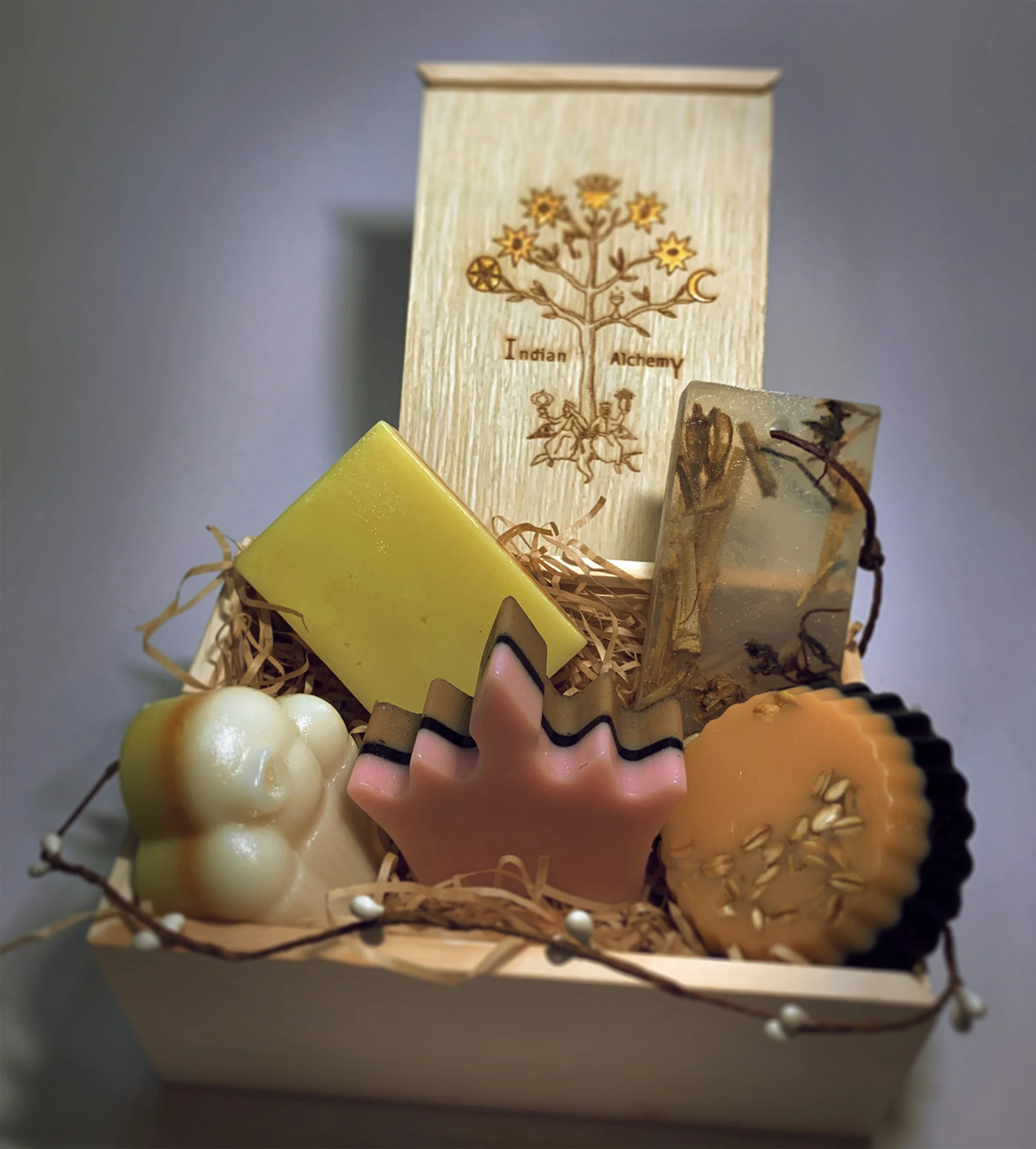
The work also connected them to a wider world. Their soaps travelled beyond Madh Island to homes, exhibitions, and gift boxes, carrying with them the story of the women who made them. To know that something created in their village was valued by discerning customers was deeply affirming.
Financially, the training created an additional source of income that could be earned close to home, allowing them to balance family responsibilities with paid work. But the more lasting transformation was less tangible: a sense of self-worth, agency, and possibility.
They discovered that they could master a complex process, create something exquisite, and be recognized for their craftsmanship.
In that sense, Indian Alchemy was not only about soap.
It was about turning knowledge into livelihood, and livelihood into dignity.