THREE TIMES AS DREAM
“As a plant produces its flower, so the psyche creates its symbols. Every dream is evidence of this process”
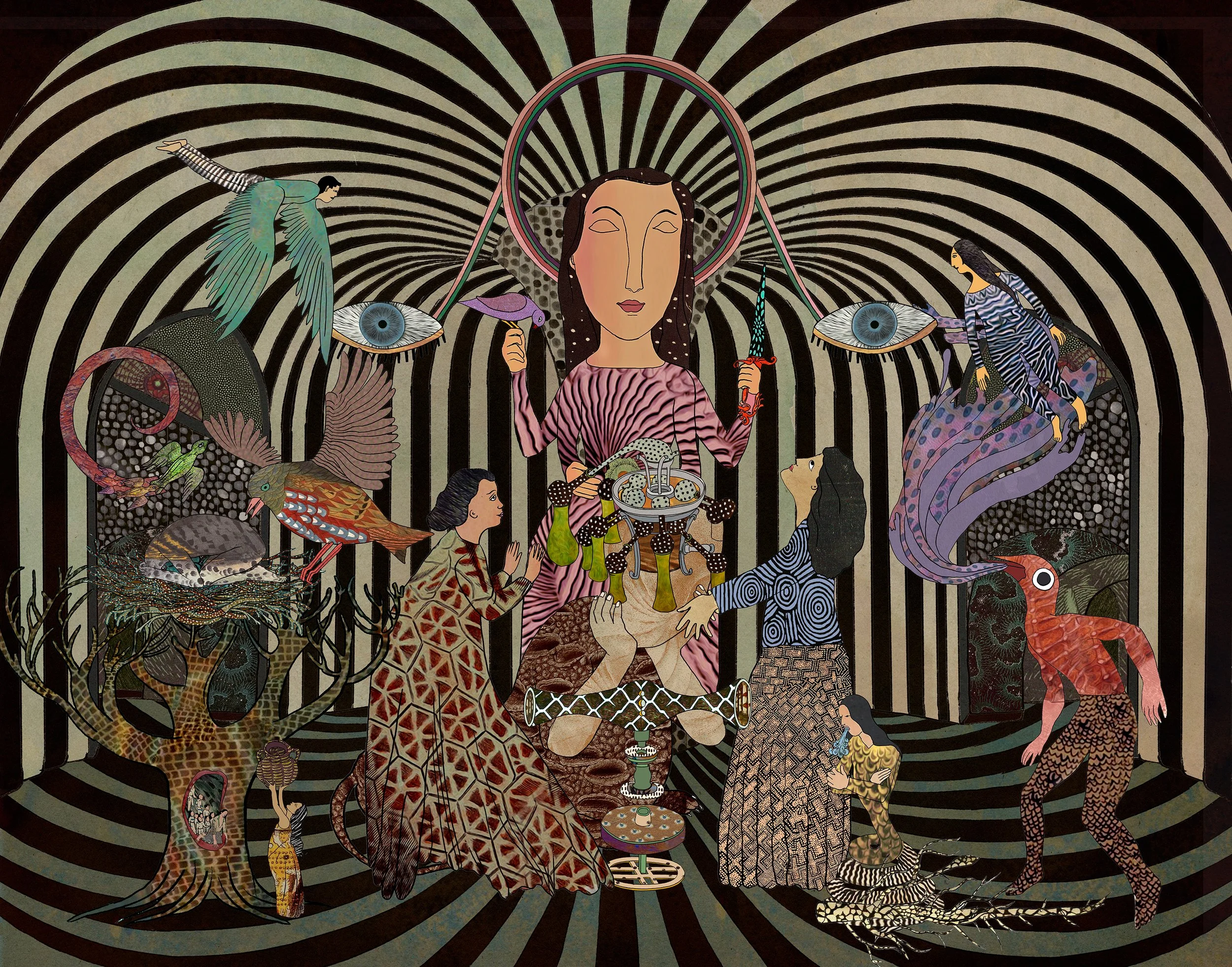
‘Three times as Dream’ is an immersive show that delves into the liminal realms of dreams, blending surreal visual narratives with functional art. Part waking dream, part metaphysical archive—it invites viewers to traverse the porous borders between sleep and consciousness, memory and myth. Made in collaboration with Poet and Filmmaker Sanjeev Sharma, the installations reinterpret history as dynamic, miniature structures mirroring her practice. The interplay between Ruchi’s surreal visual narratives and Sanjeev’s architectural furniture pieces creates a really compelling duality—inner versus outer worlds, dream versus reality, art versus utility. Melding utility with allegory, both excavate hidden narratives.
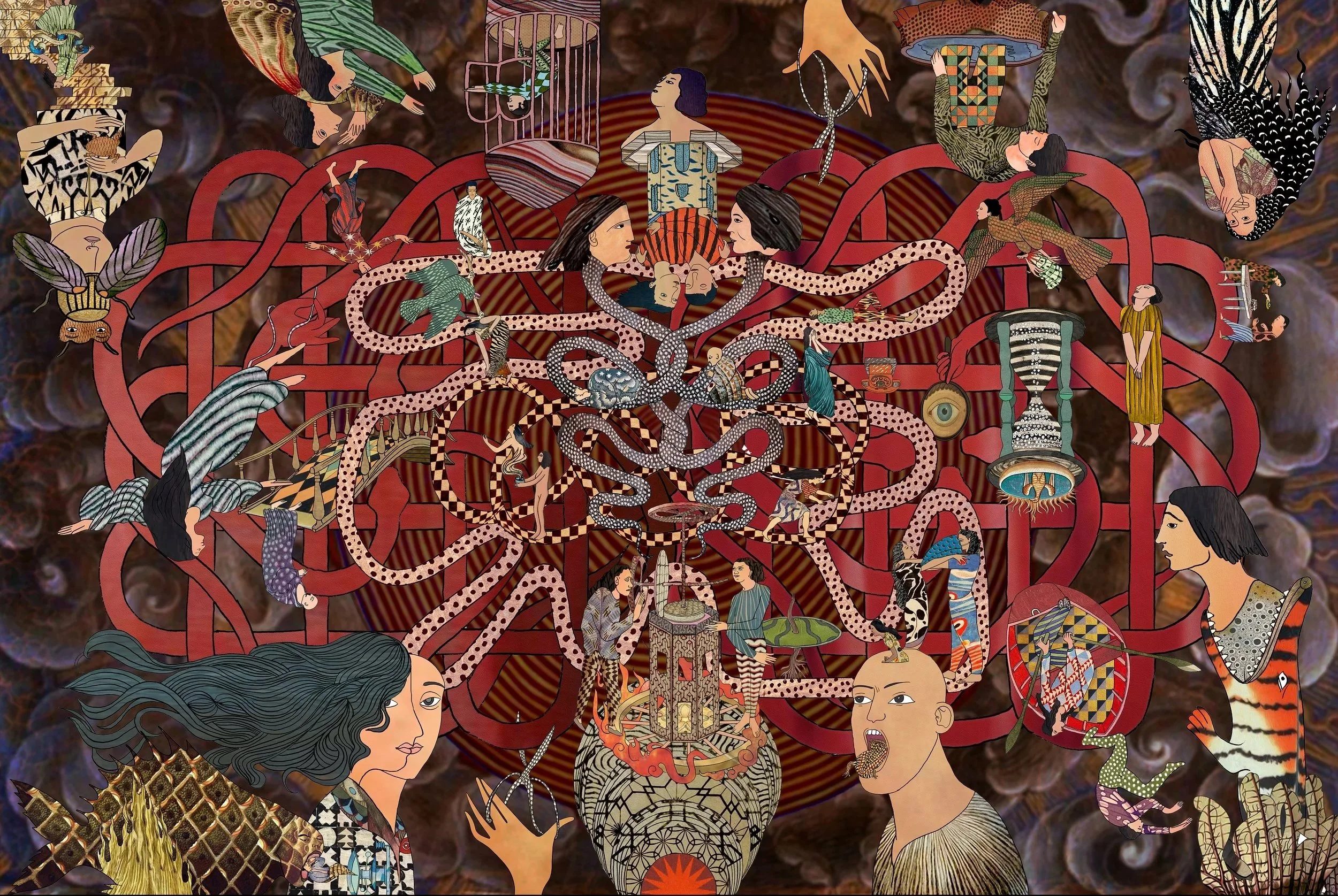
“It began with surrender: keeping a notebook and torch by the bed, scribbling half-coherent visions at 3 AM. Over years, patterns emerged—doorways, eye tree, mouth like portals, endless chases through visceral landscapes, benevolent beings assisting me to fly or seek this hidden knowledge —and I realized these weren’t just my symbols, but shared mythologies. The methodology became ritualistic: transcribe the dream, distill its emotional core, then materialize it through the most uncanny medium. A dream of floating cities became a mobile of cut parchment; a nightmare of silent screams birthed a soundless film loop. The artmaking was a séance, and I was merely the medium.”
- Ruchi
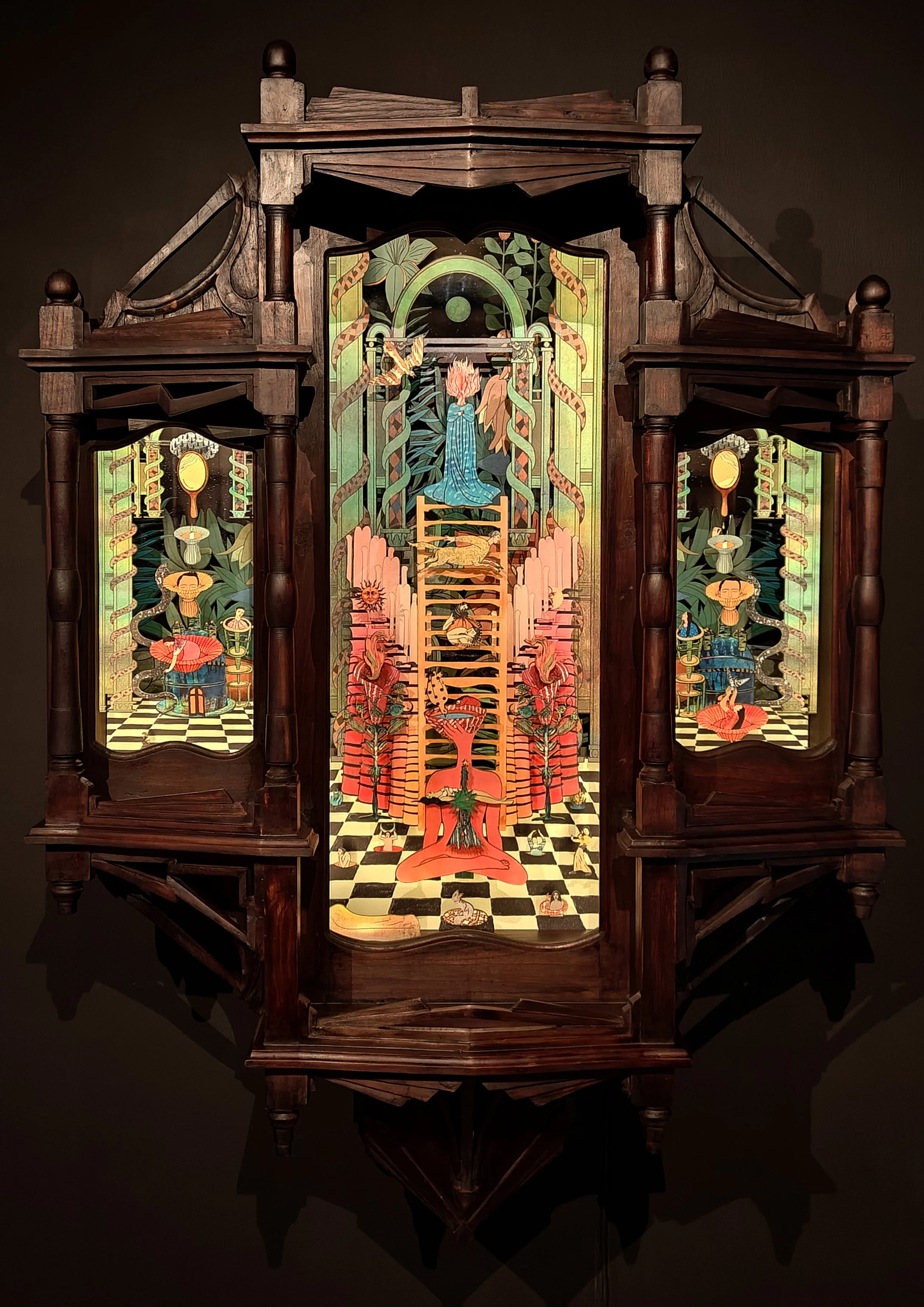
Just as her drawings dissect the psyche’s buried symbols, his sculptures dissect the ghosts in our city’s walls. Echoing the exhibition’s themes of colonial memory, surreal functionality, and the dialogue between art and design. Sanjeev says, “Furniture is architecture’s intimate ghost because a chair remembers the body it holds and a cabinet guards the secrets it’s imbibed. In this body of work, we’ve unstitched time so the beholder feels like they are stepping into a collective unconscious. We arranged works as thresholds—mirrors facing drawings to create infinite regress, dollhouses lit like reliquaries. Guiding viewers through a labyrinth where every turn blurred the line between their memories and ours, the space itself became a metaphor for the layered and luminous mind.
"I have been making spaces all my life — for actors, for language, for whatever a story needs to breathe in. A shadow box is just the smallest stage I have ever built. A shadow box is a stage. It has a proscenium, a back wall, lighting, layers of telling through characters who never move. What surprised me is how much it holds. Ruchi moves from the inside outward — from the dream, the image, the interior world. I work from the outside in — from the space, the material, the thing that can be touched. We arrive at the same place from opposite directions"
Sanjeev
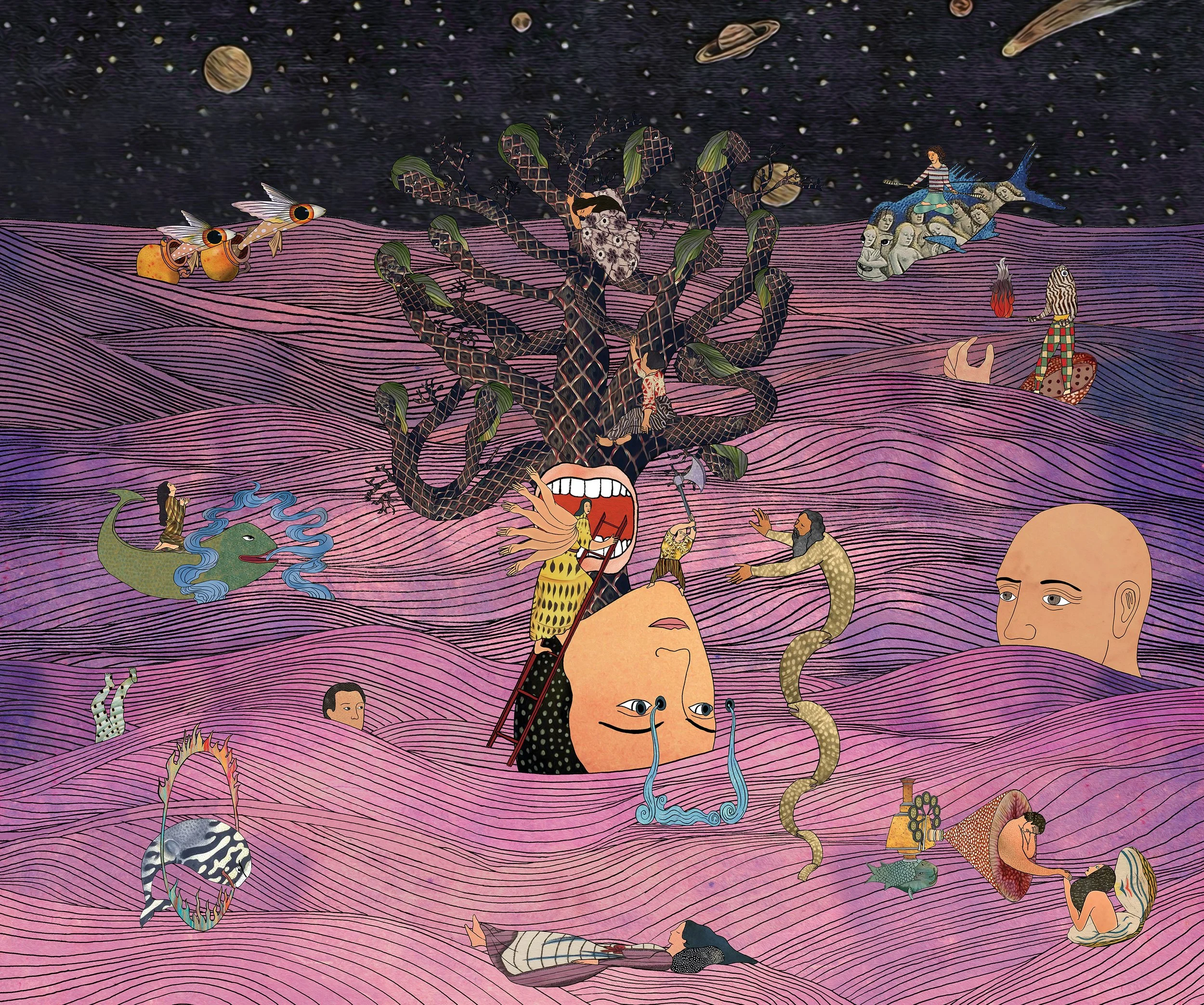
The Wave of Fortune
“When we sleep the soul is lit up completely by many eyes; with them we can see everything that we could not see in the daytime”
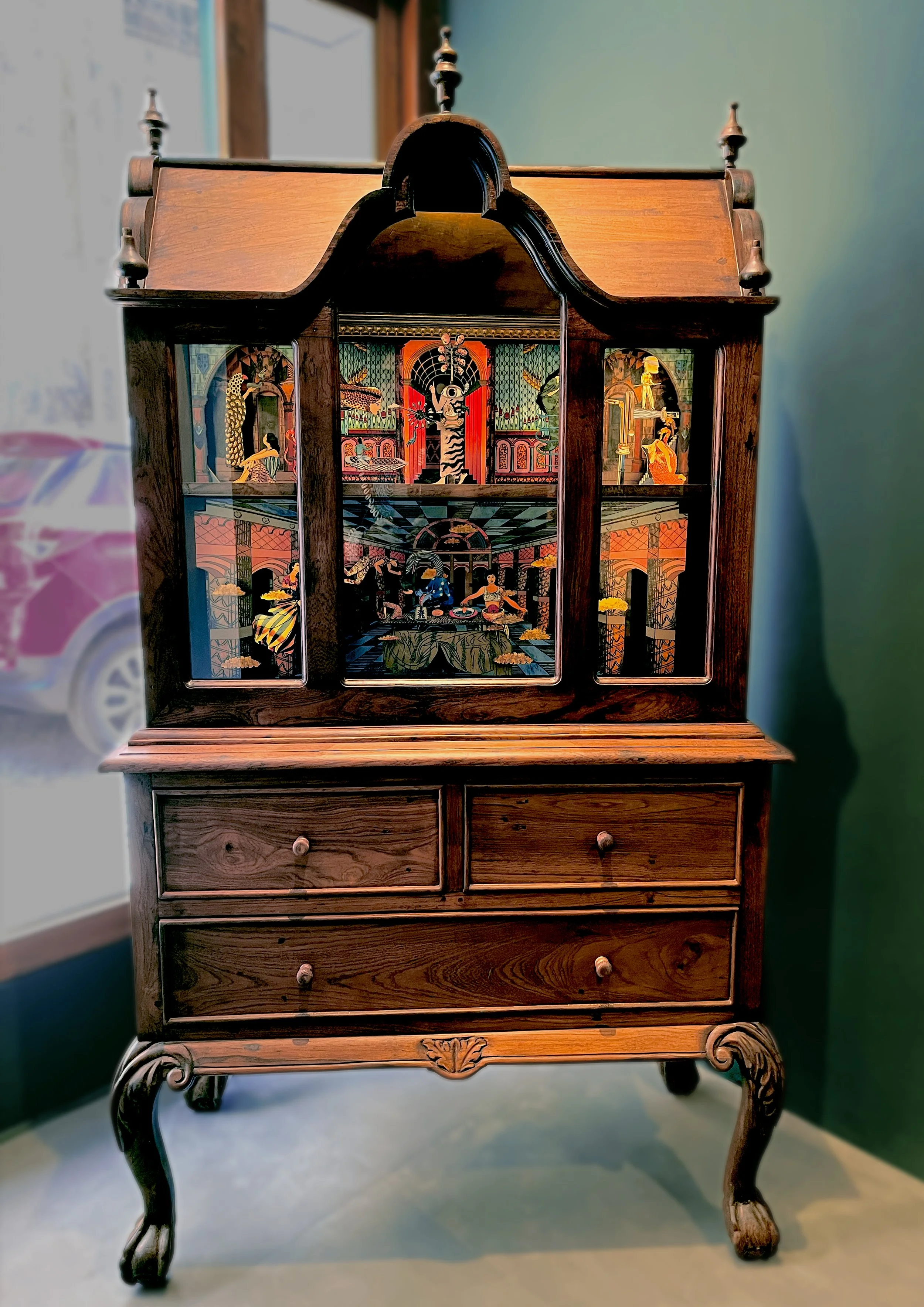
"I make objects for the unconscious. The lenticulars shift as you move past them — the image changes depending on where you stand. The shadow boxes hold recurring characters from my dreams: archetypal figures I've been in conversation with for twenty years. The dream material is housed within sculptural forms that hold the interior world of a dream. These are not decorative objects. They are the kind of things people pass down."
— Ruchi Bakshi Sharma
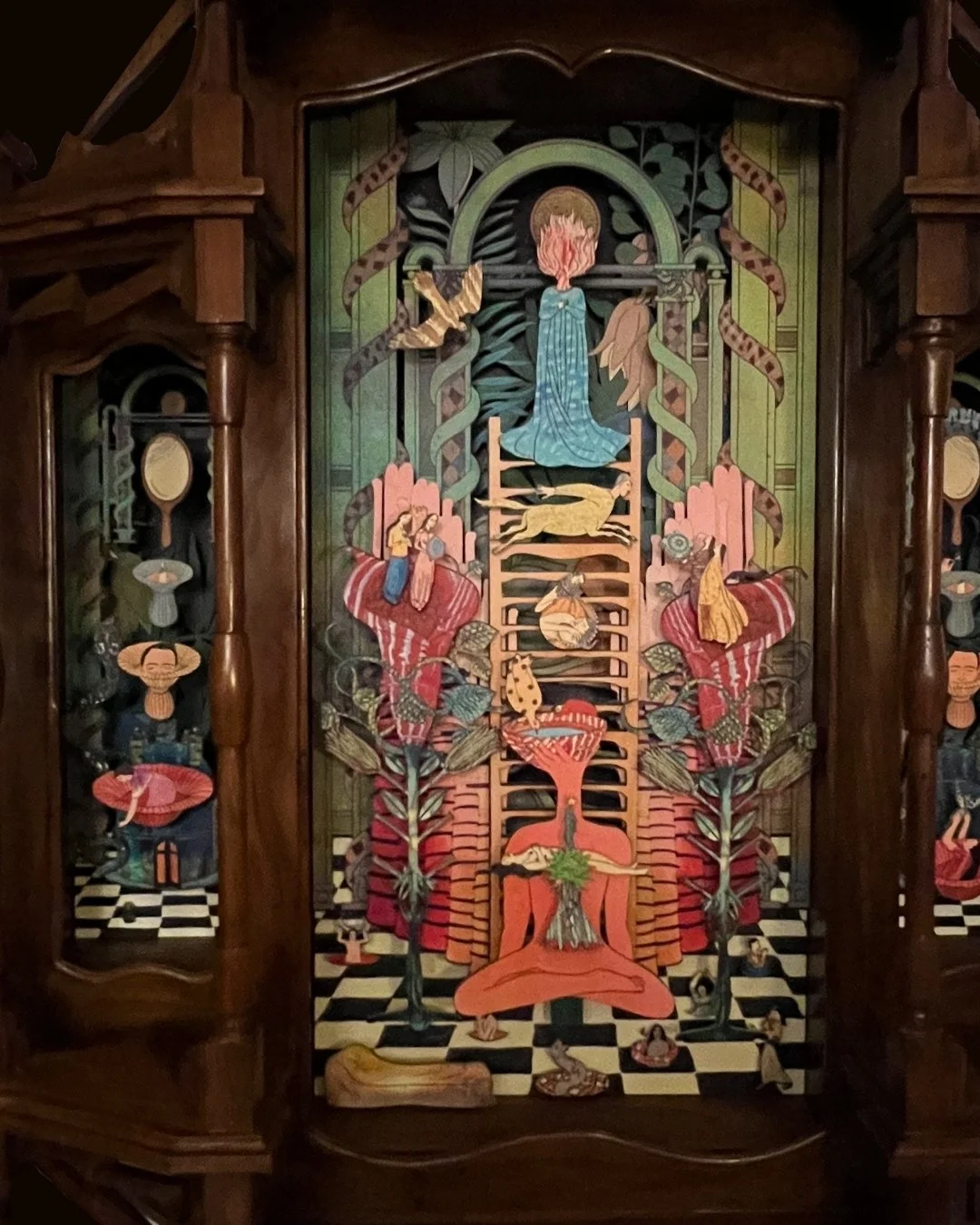
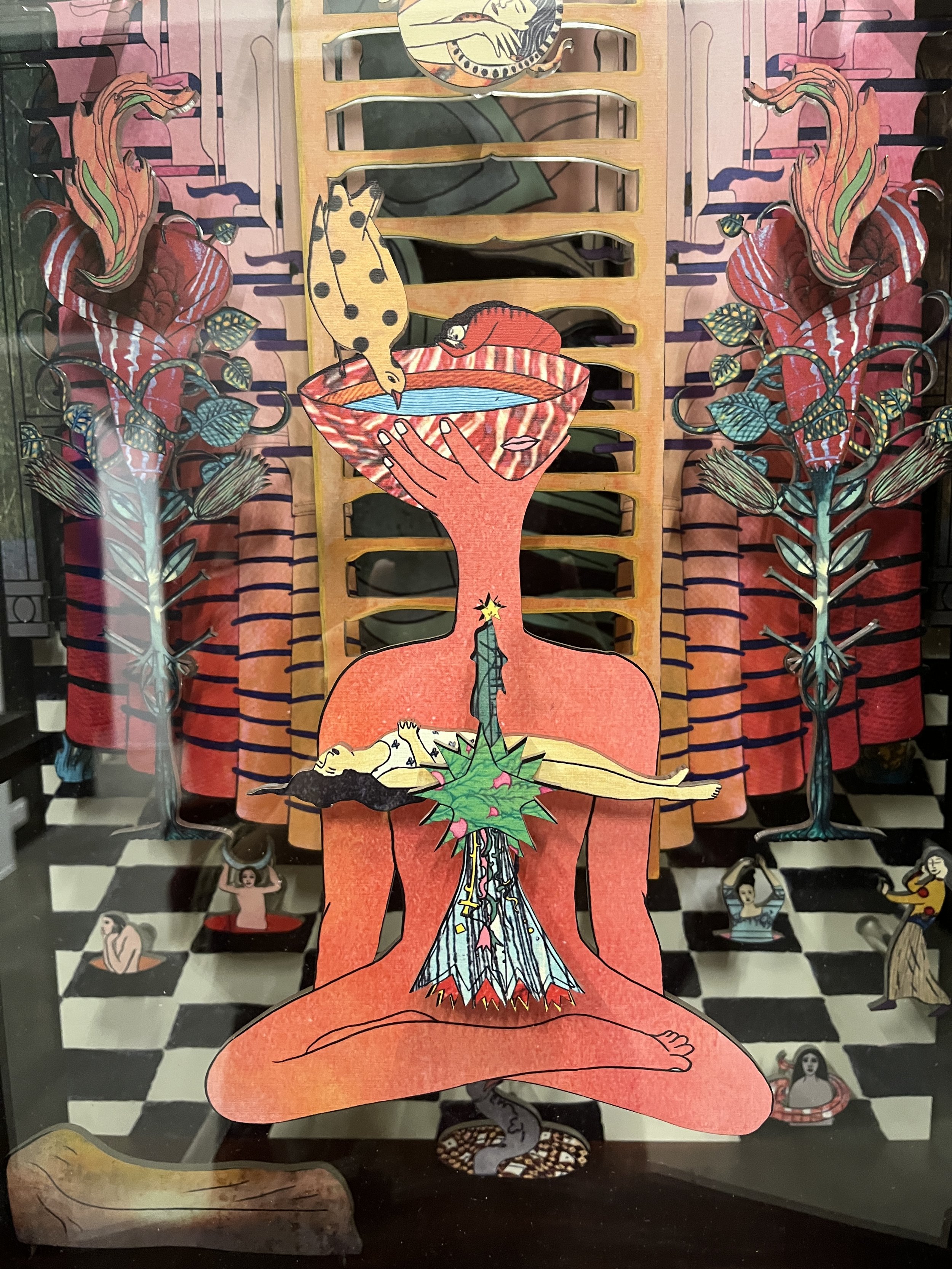
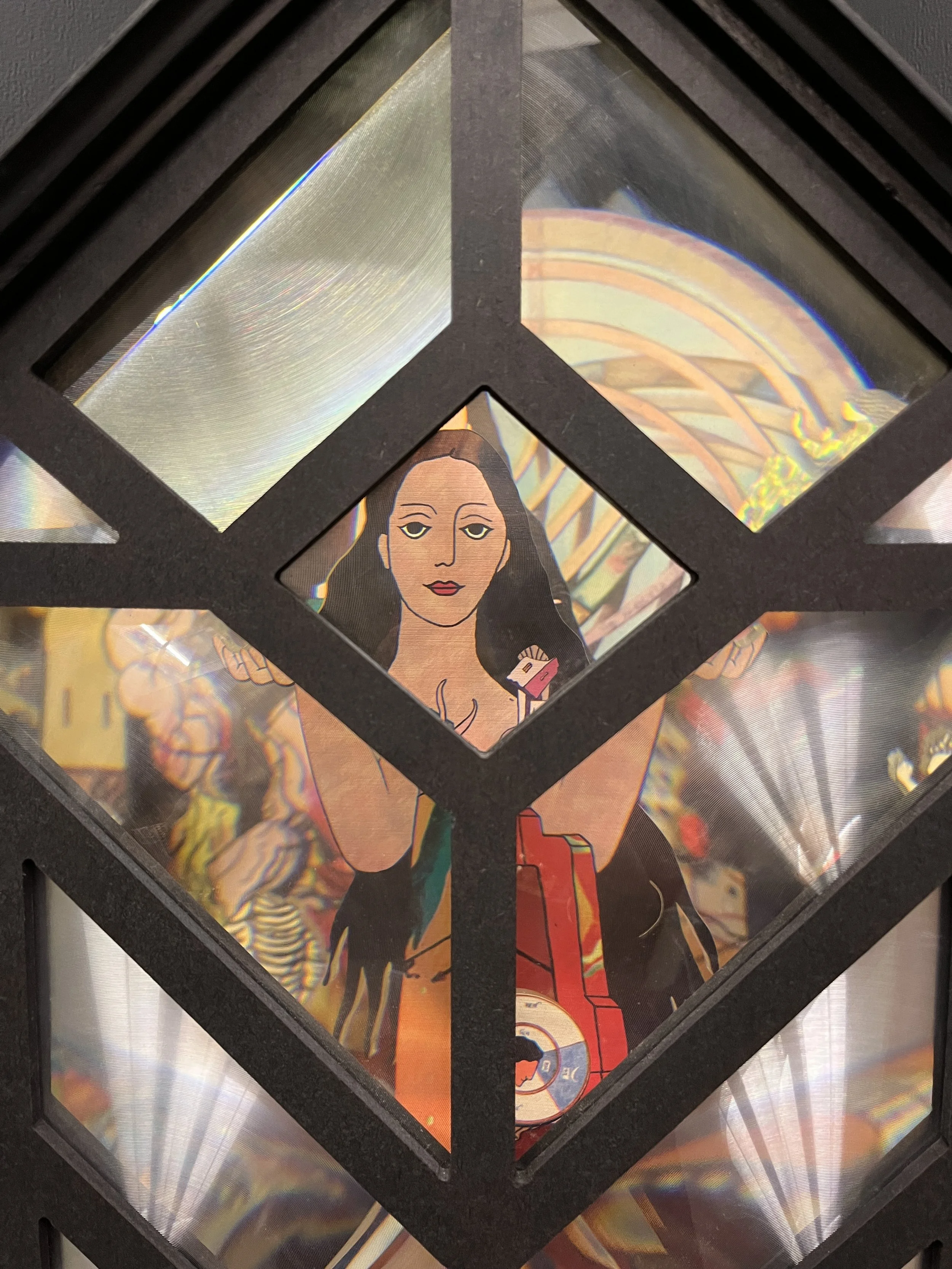
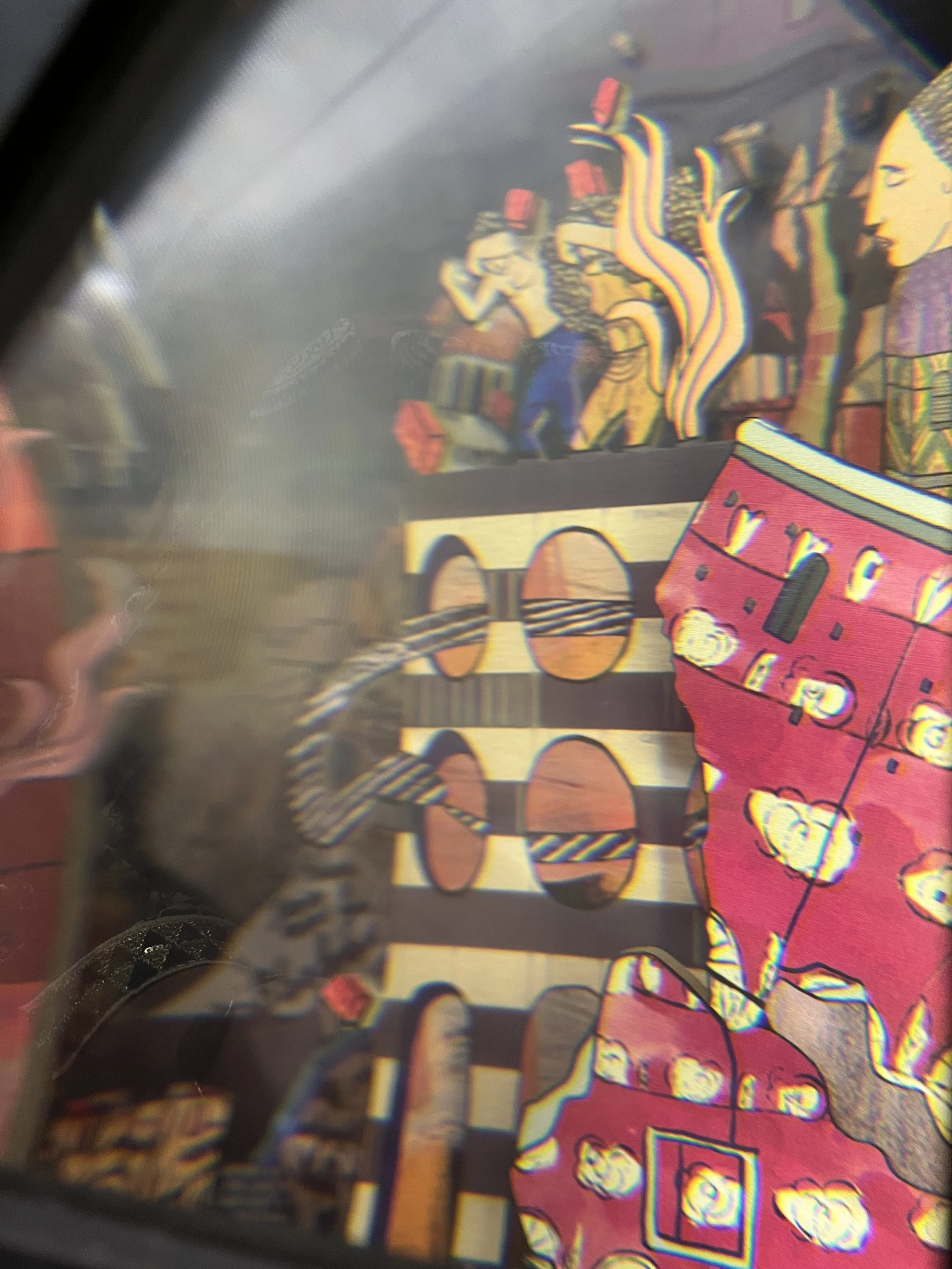
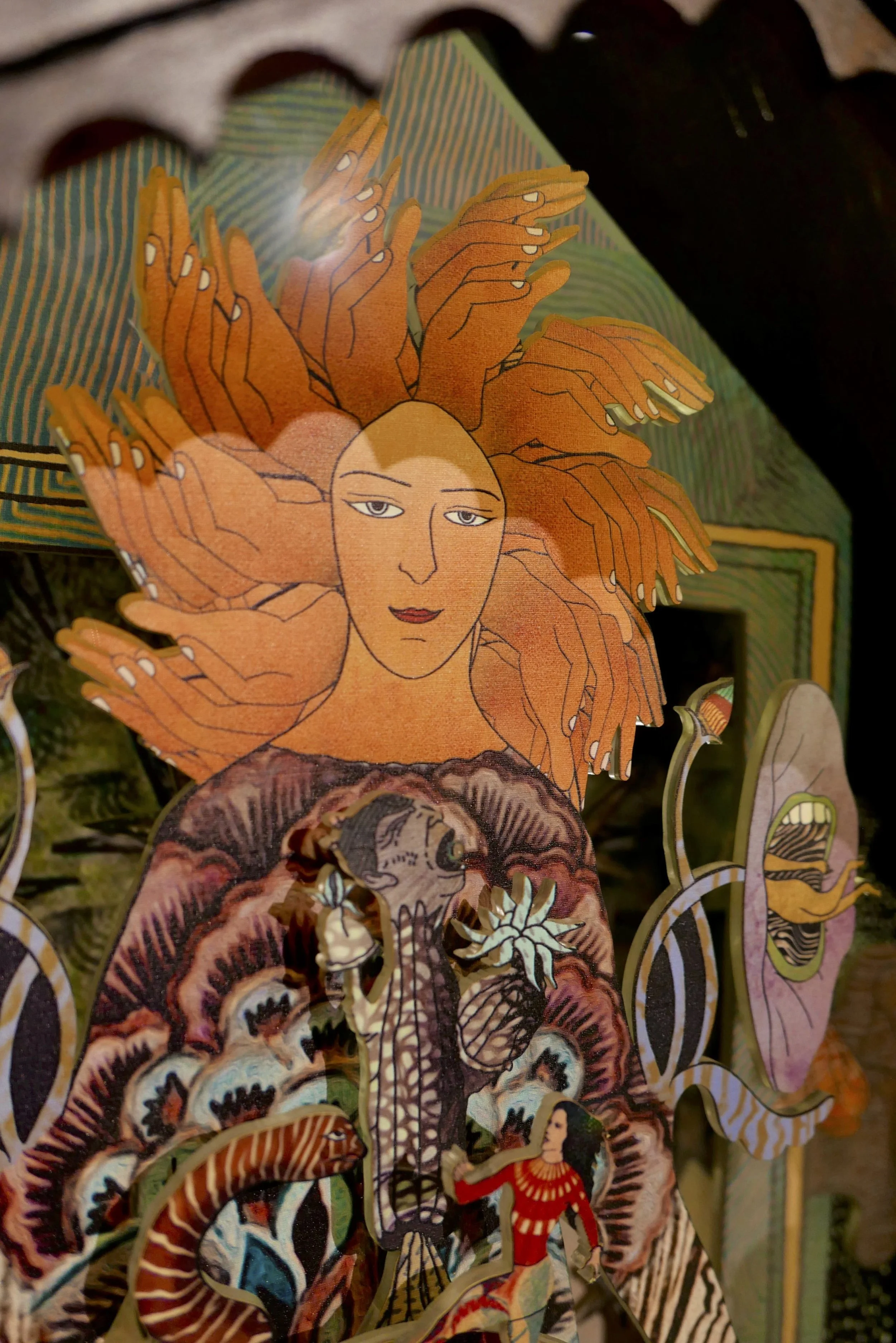
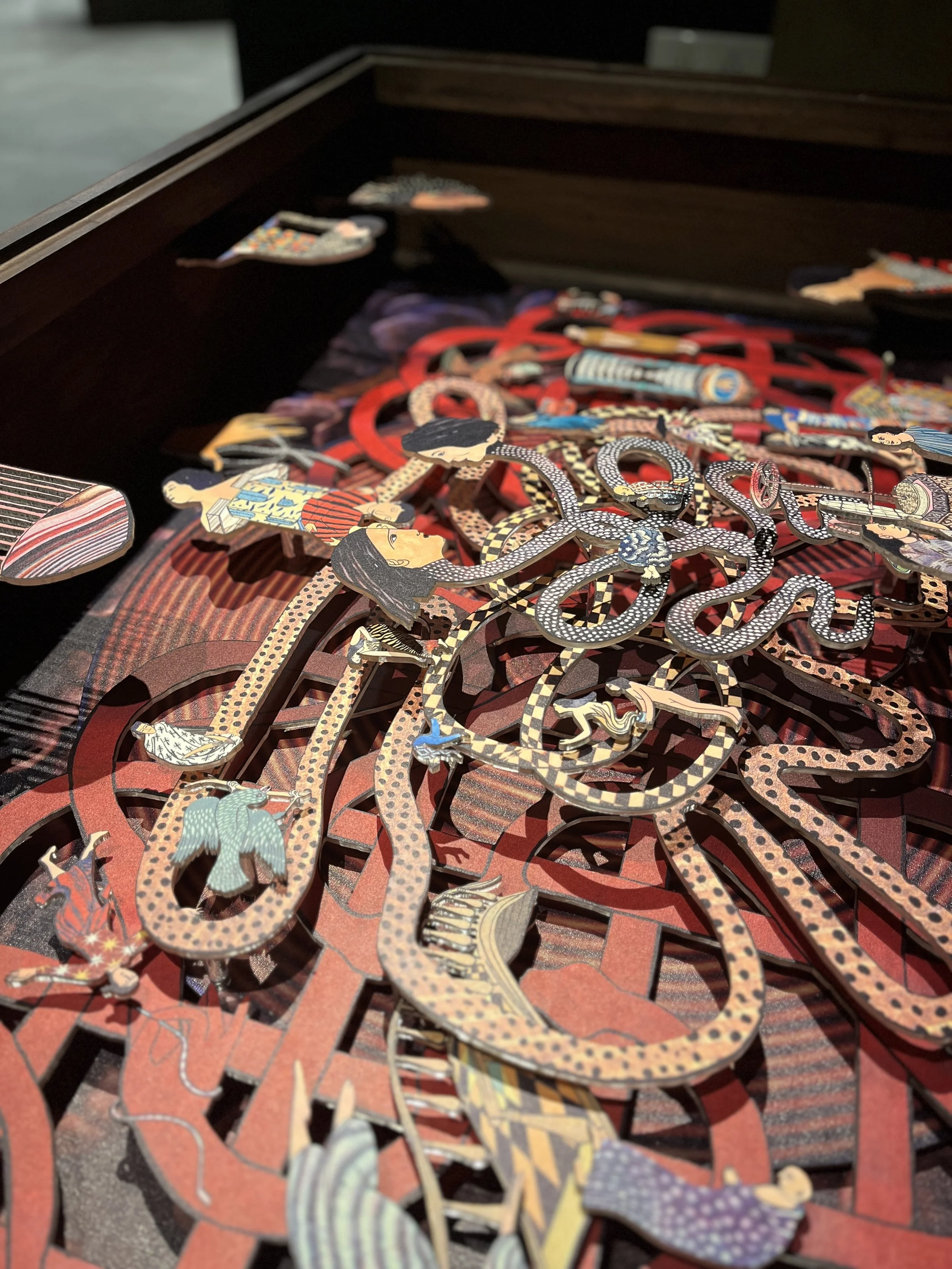
“This show marks a significant deepening of my practice. I’ve always worked with dream imagery, but here, the spatial aspect—the construction of environments—became central. Both dreams and colonialism are about projection—one psychic, the other political—and both demanded reckoning. I began thinking of my drawings not just as end points, but as blueprints for experience. My relationship with time also shifted; I started embracing slowness, letting works incubate over long periods. It also brought me closer to collaboration—not just with Sanjeev, but with the dream world itself. I now see my practice as more performative, more layered, and more immersive than before.”
- Ruchi
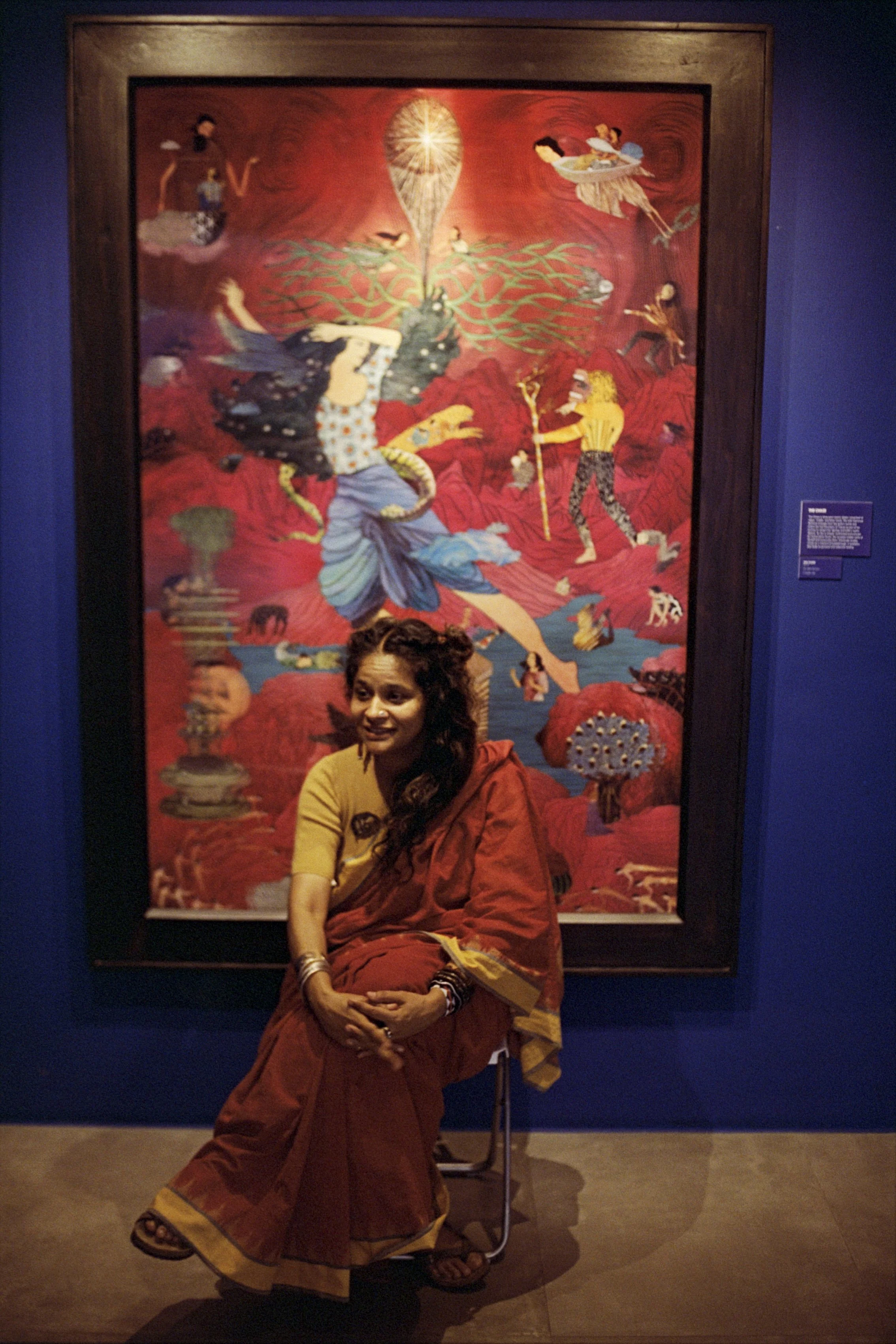
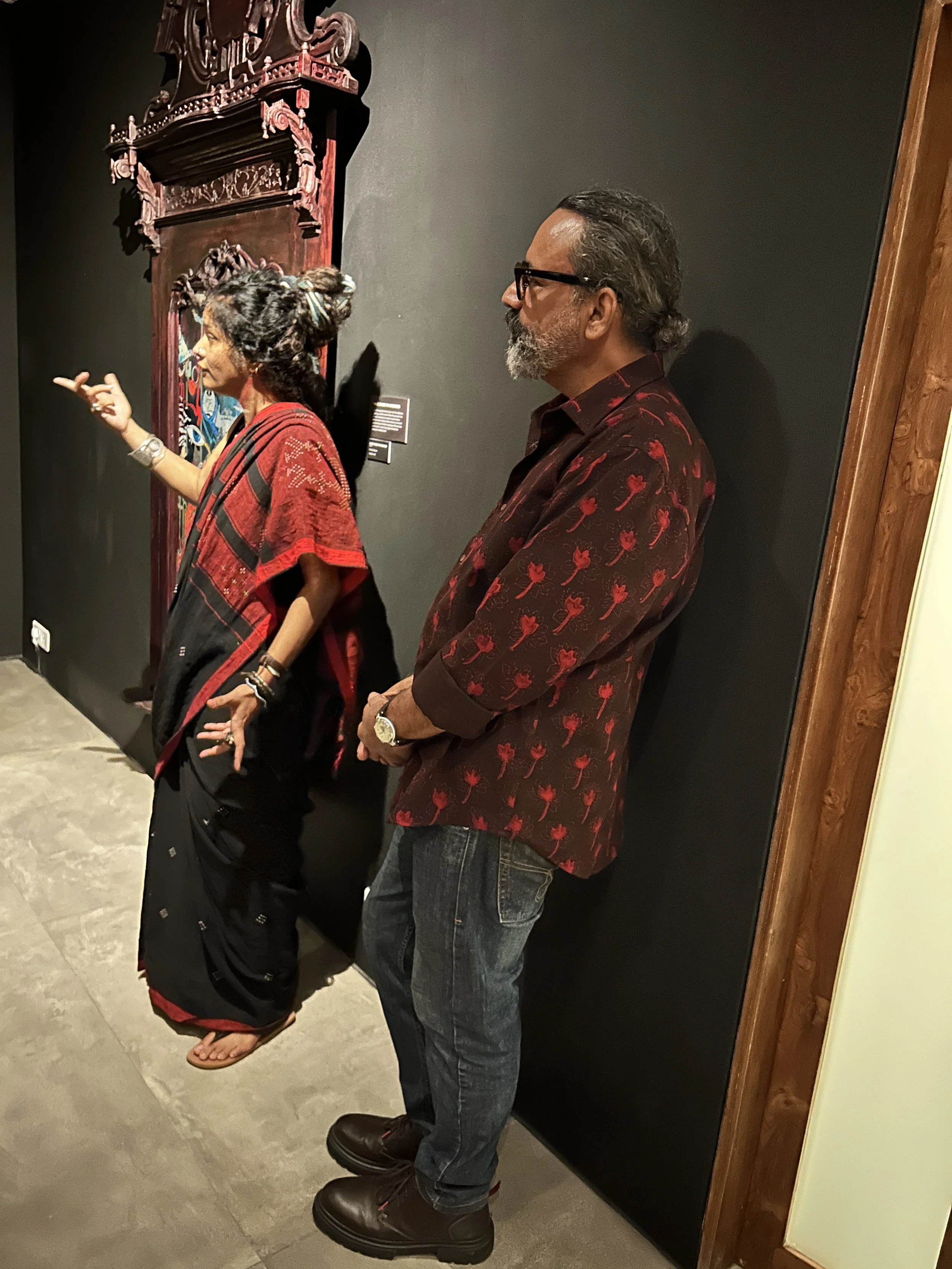
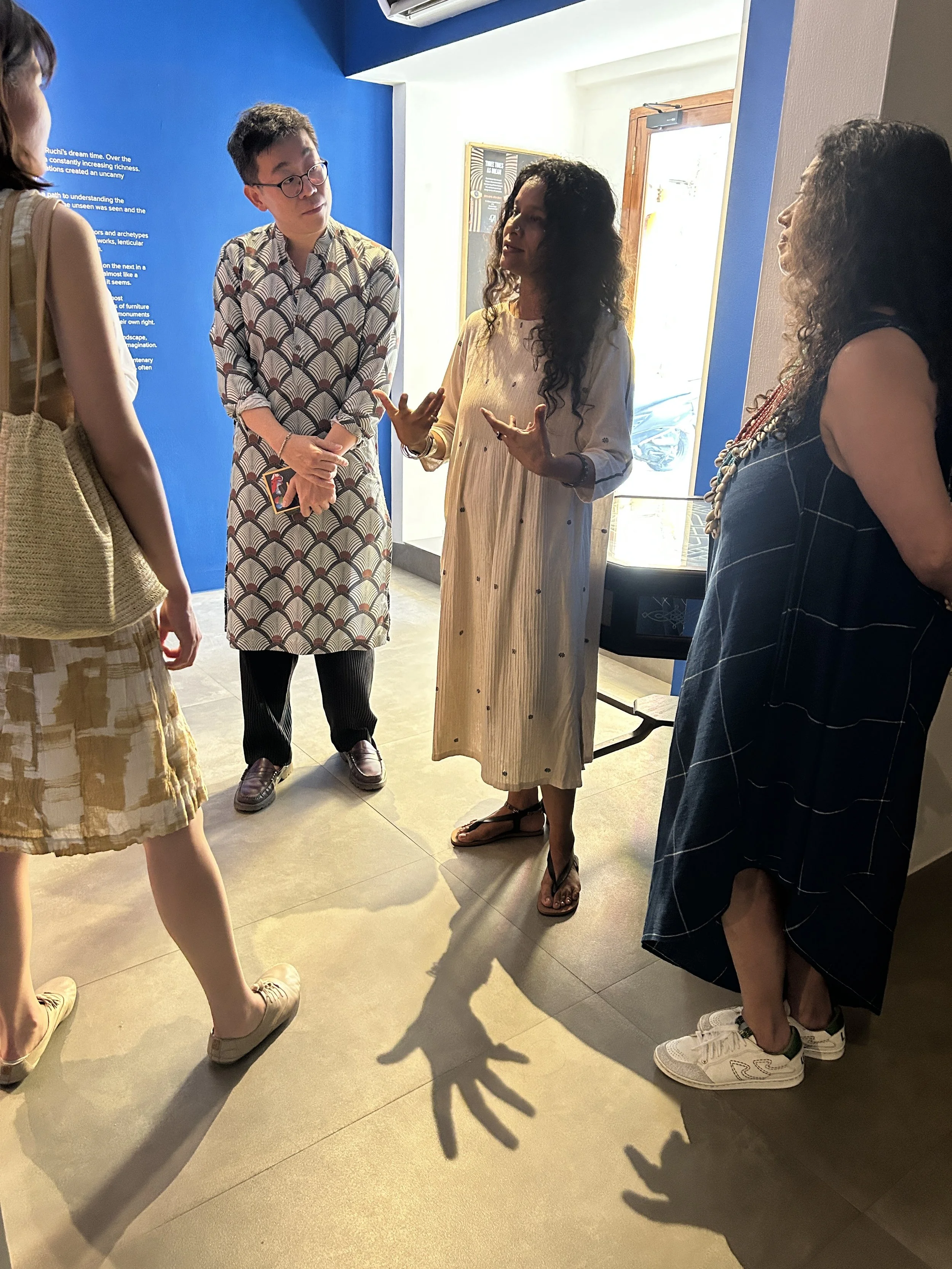
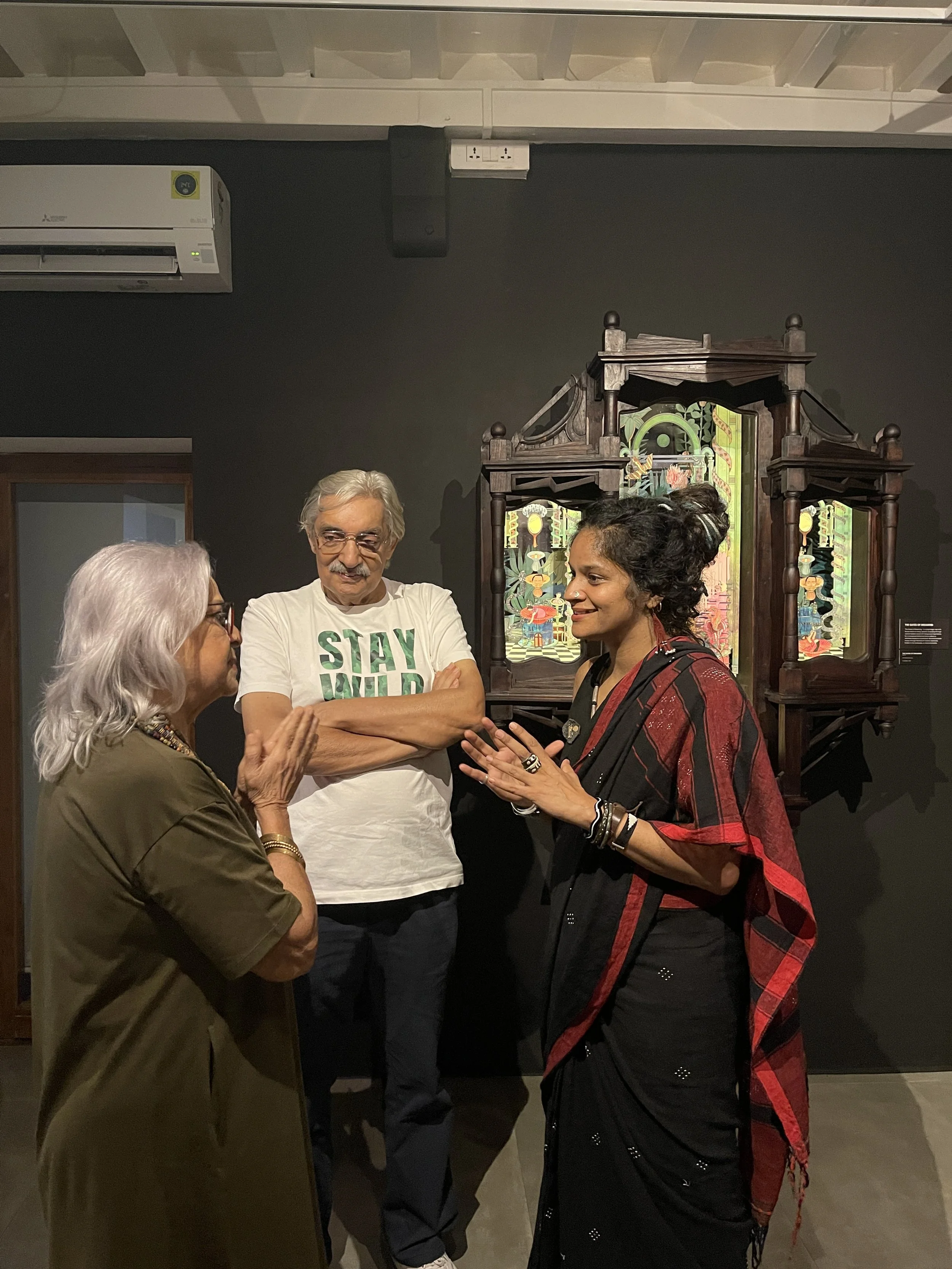
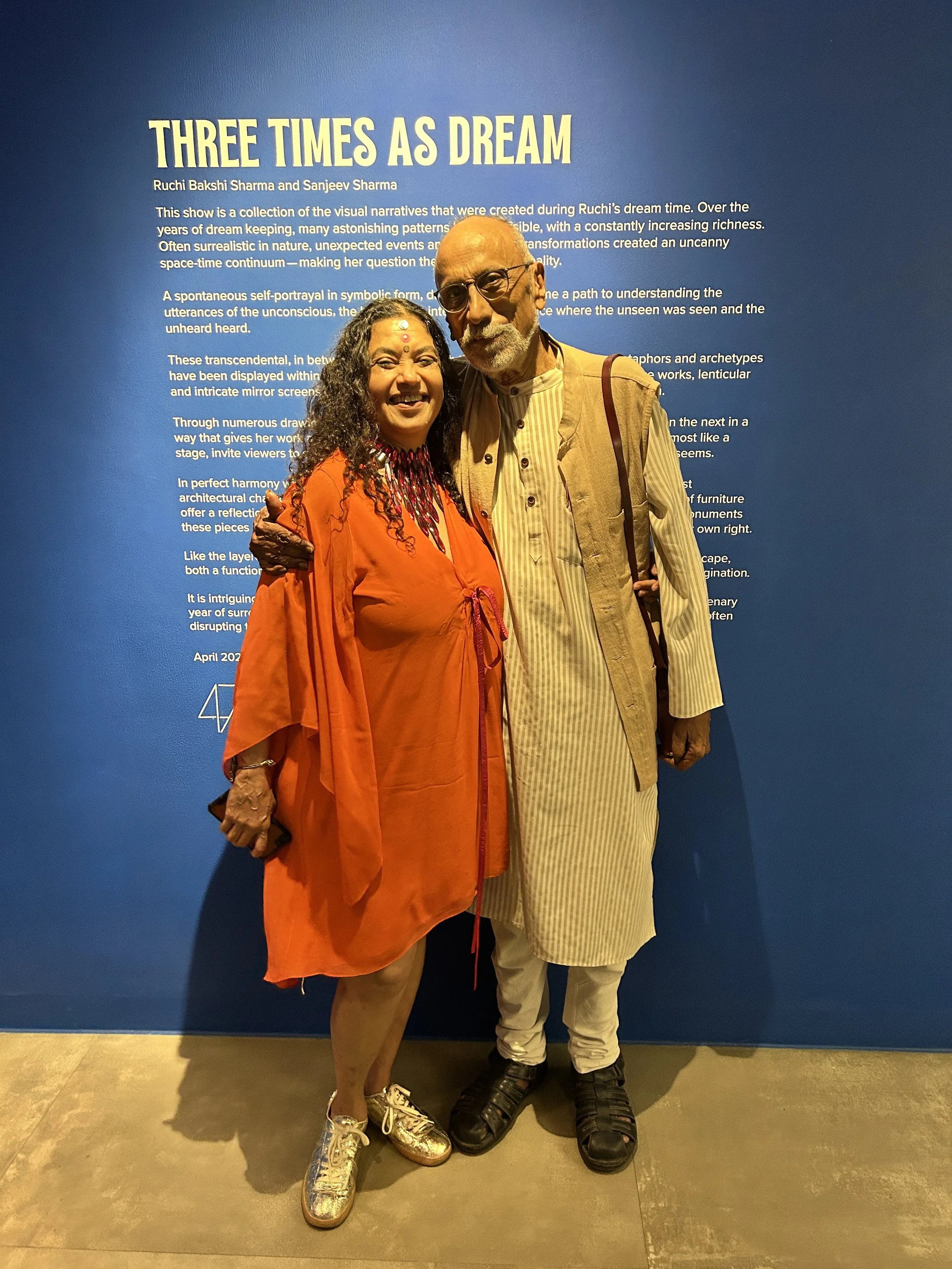
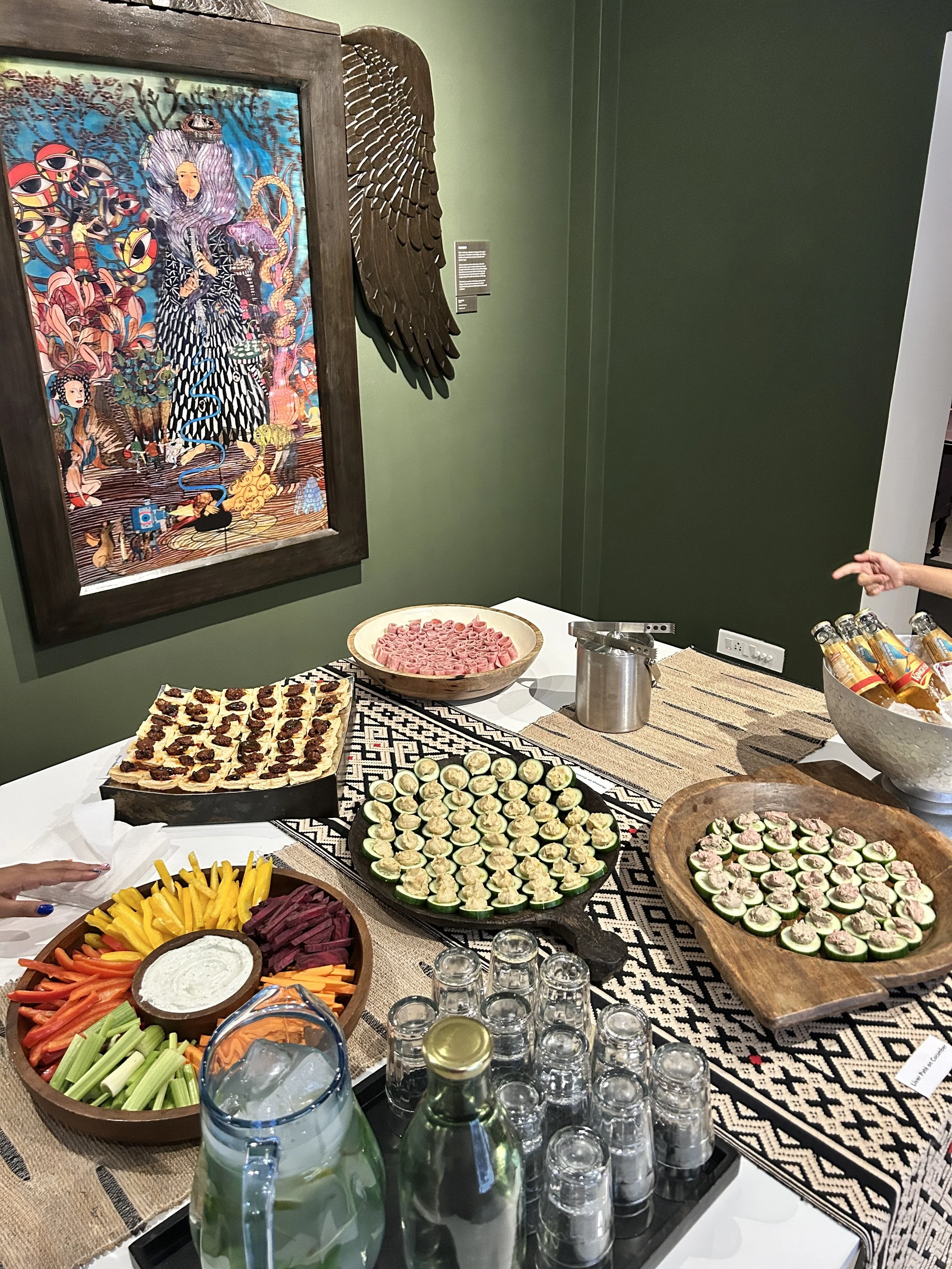
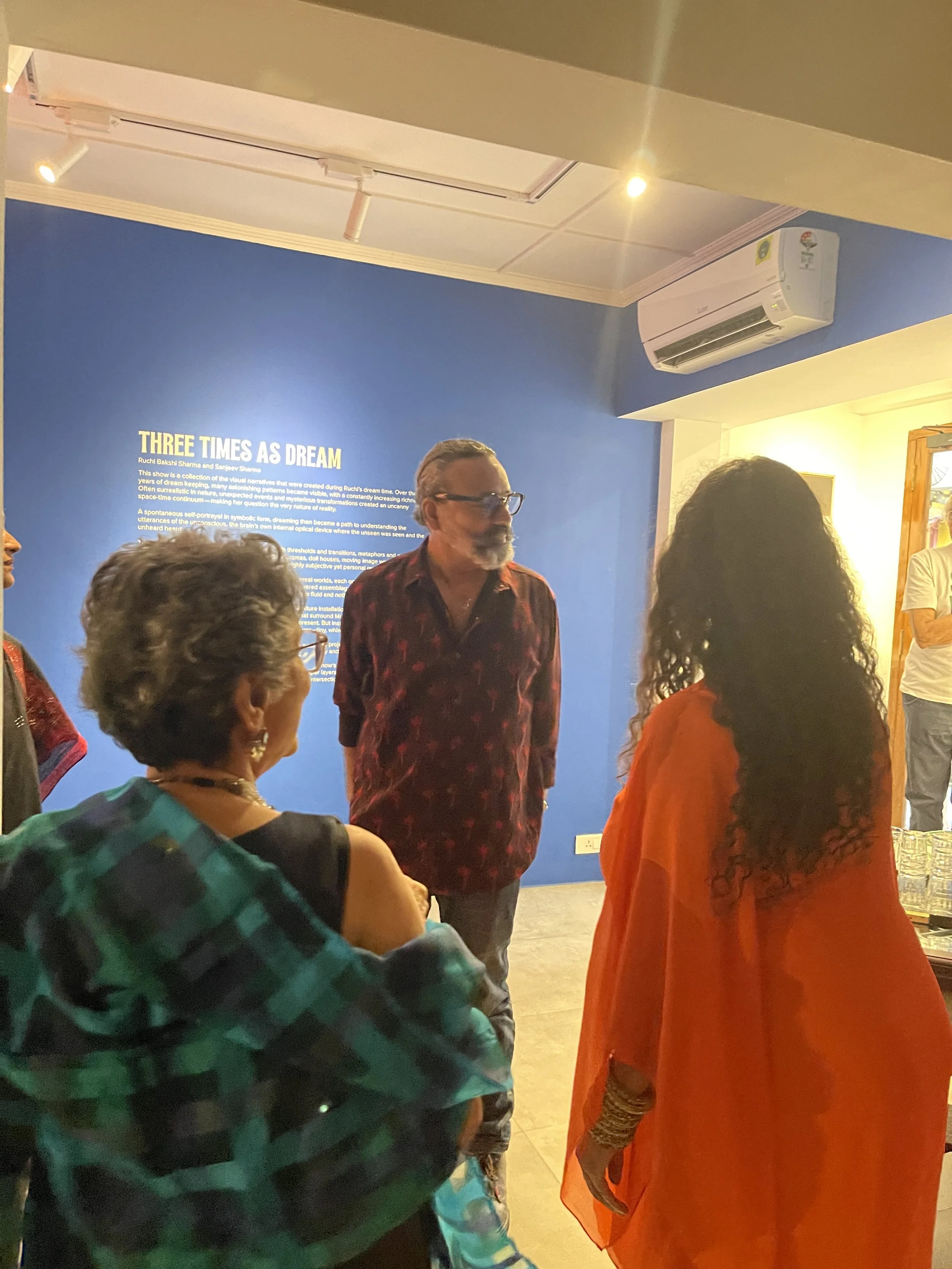
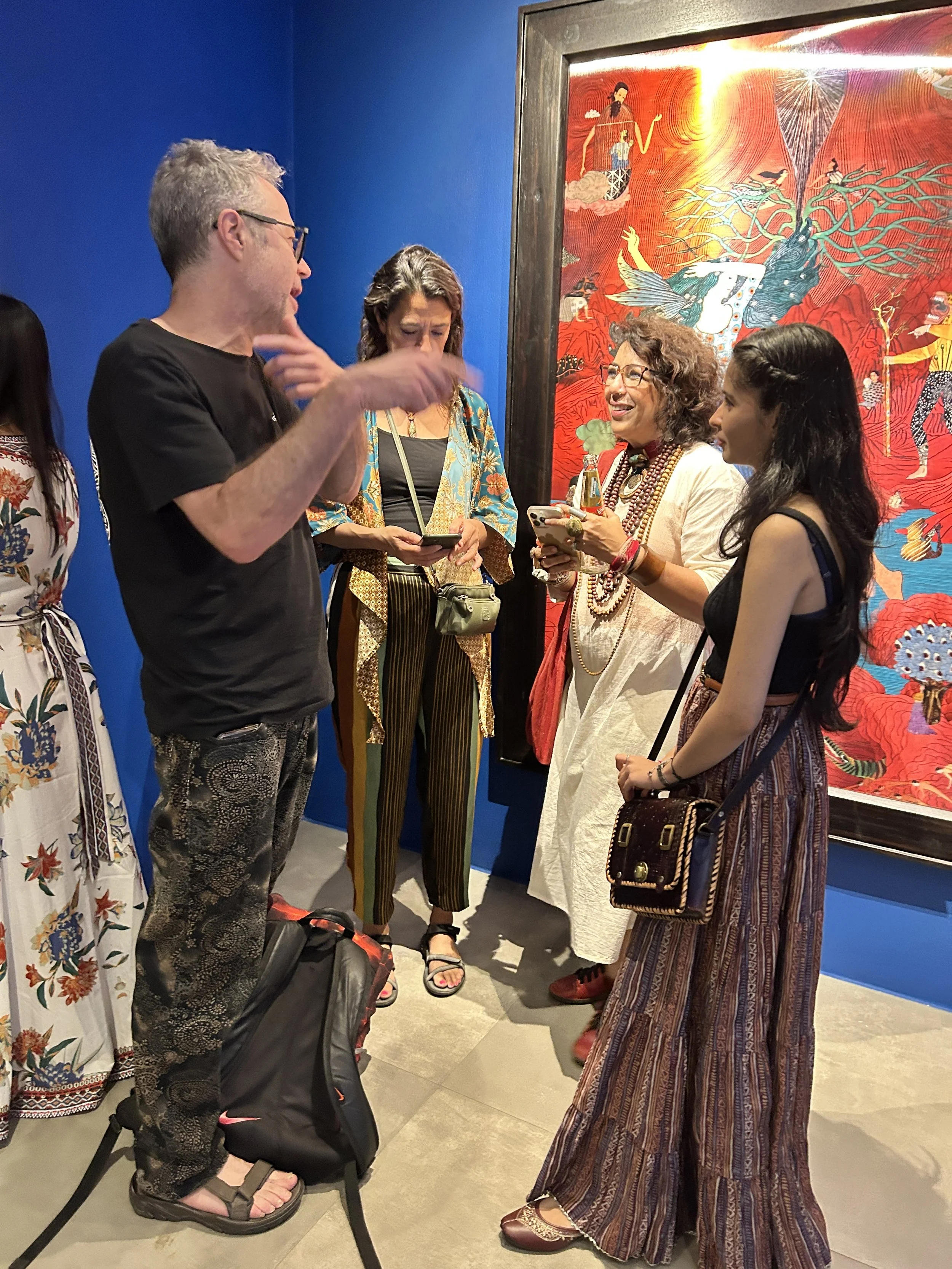
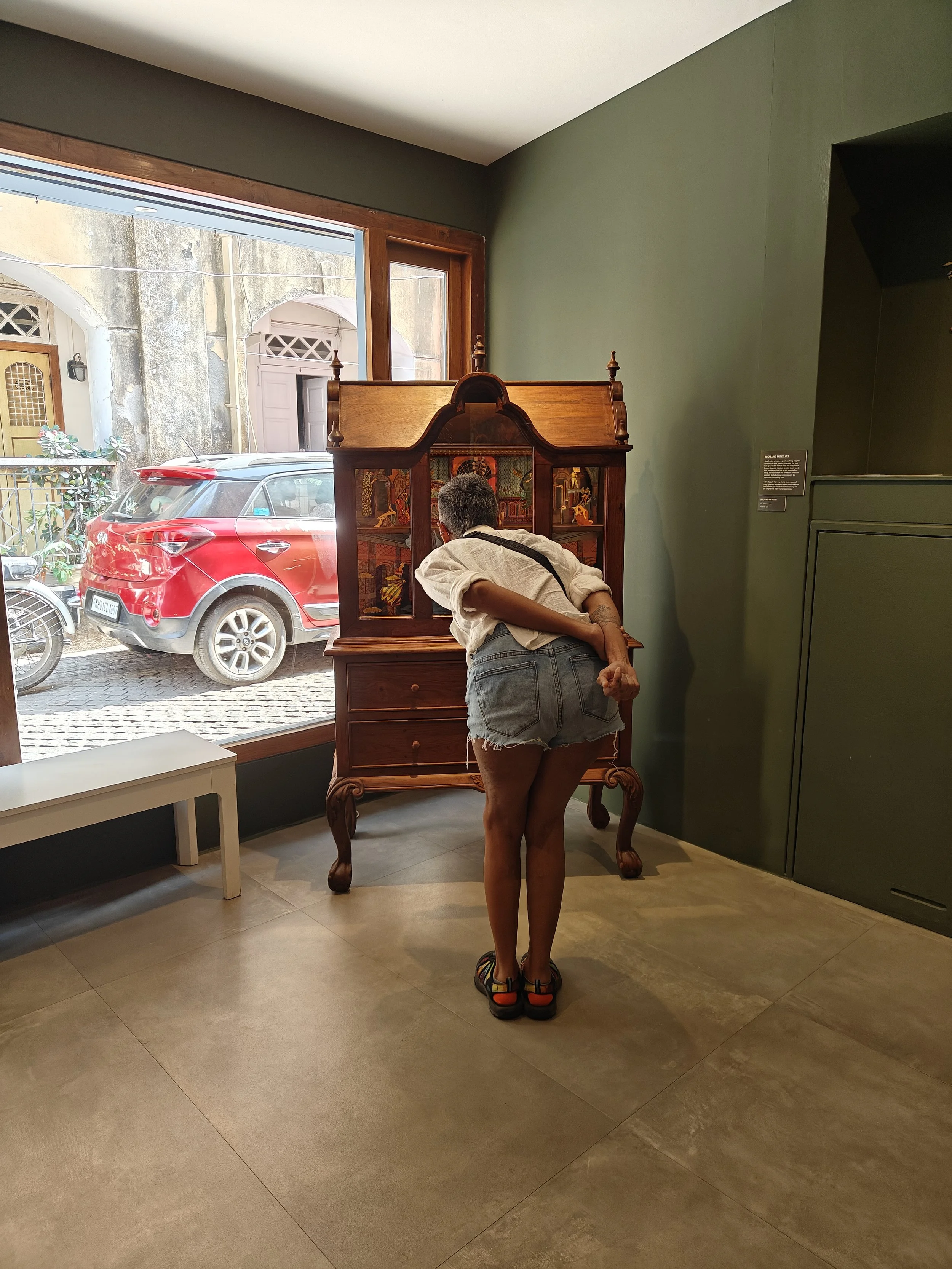
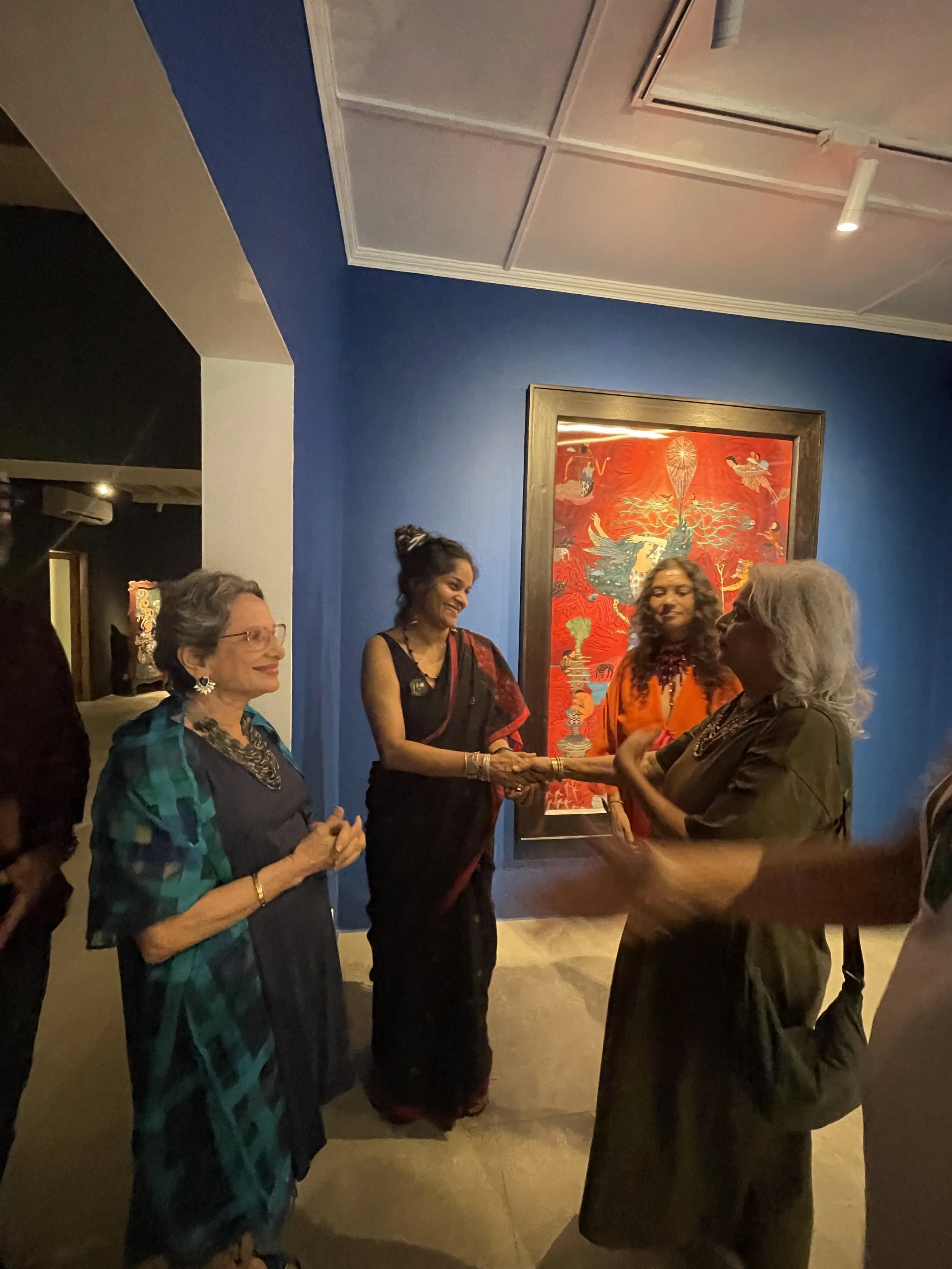
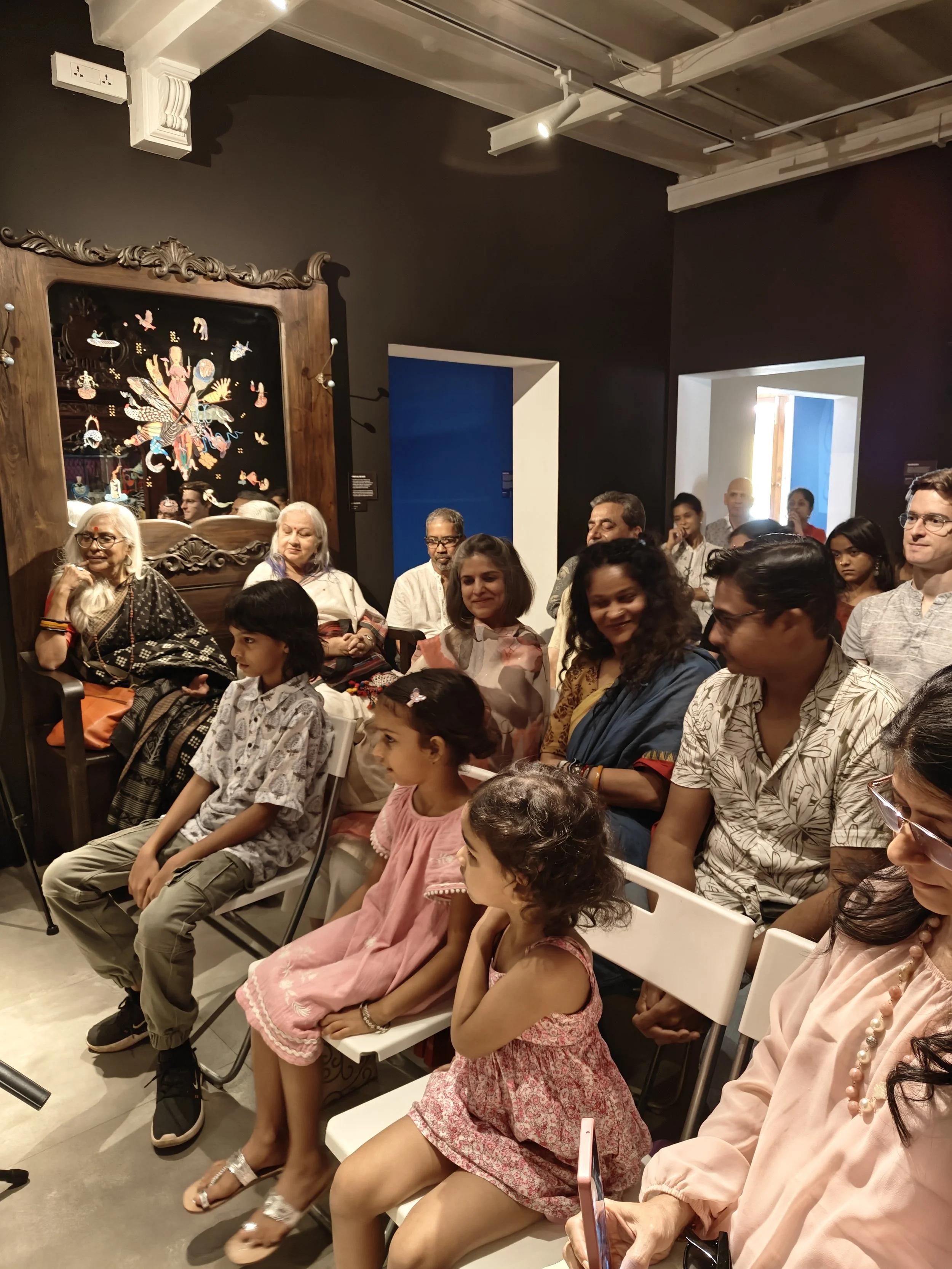
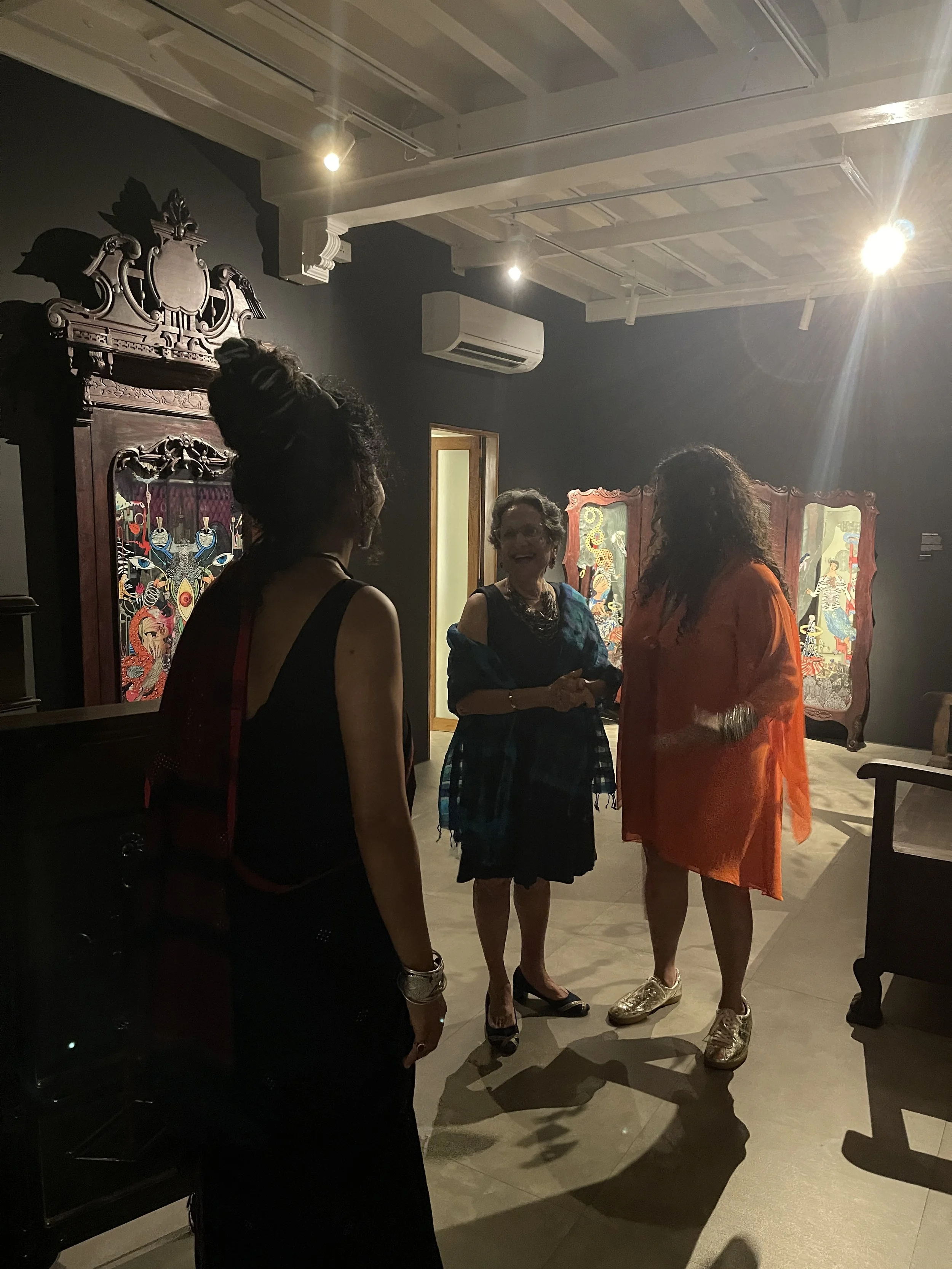
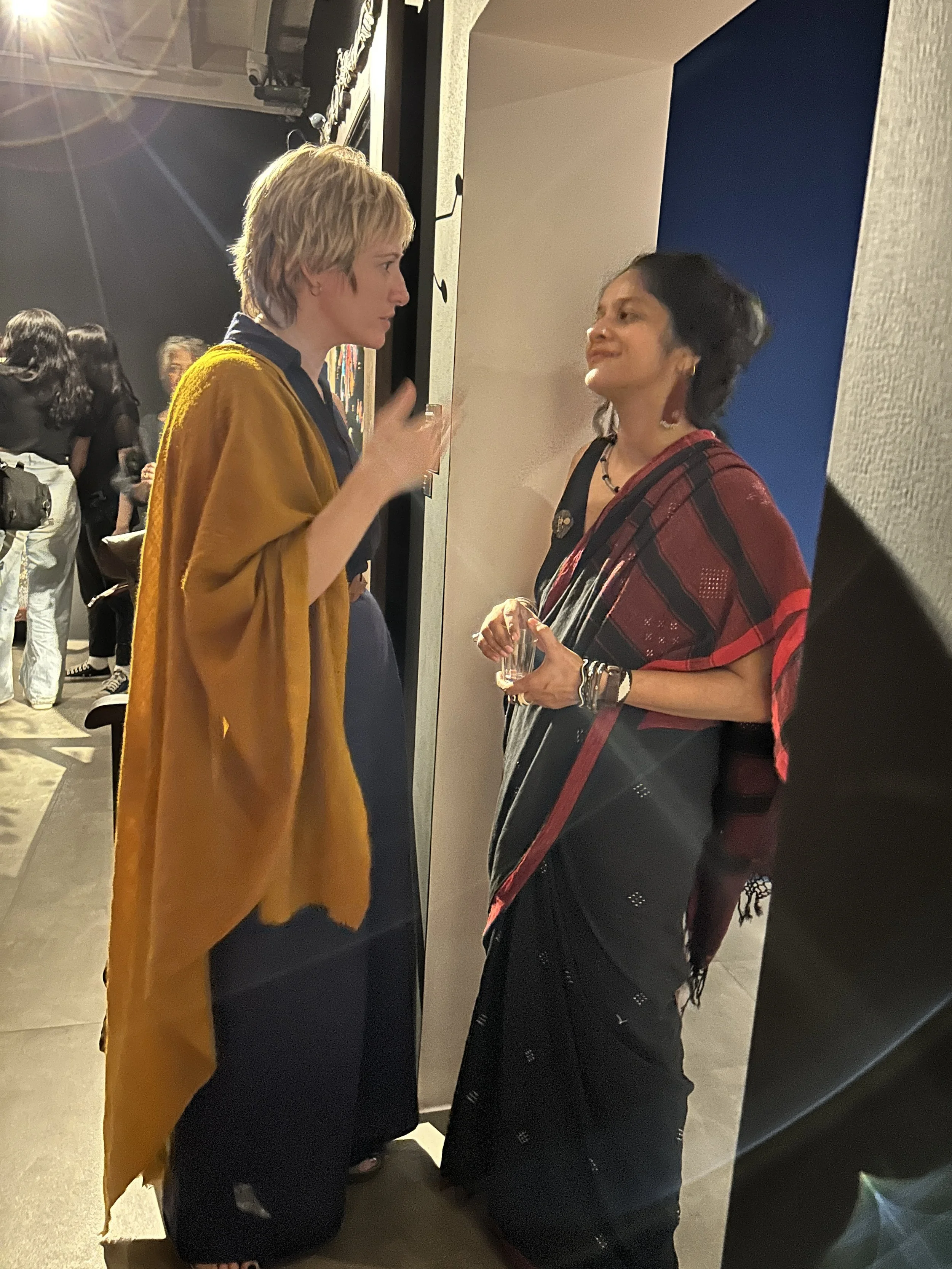
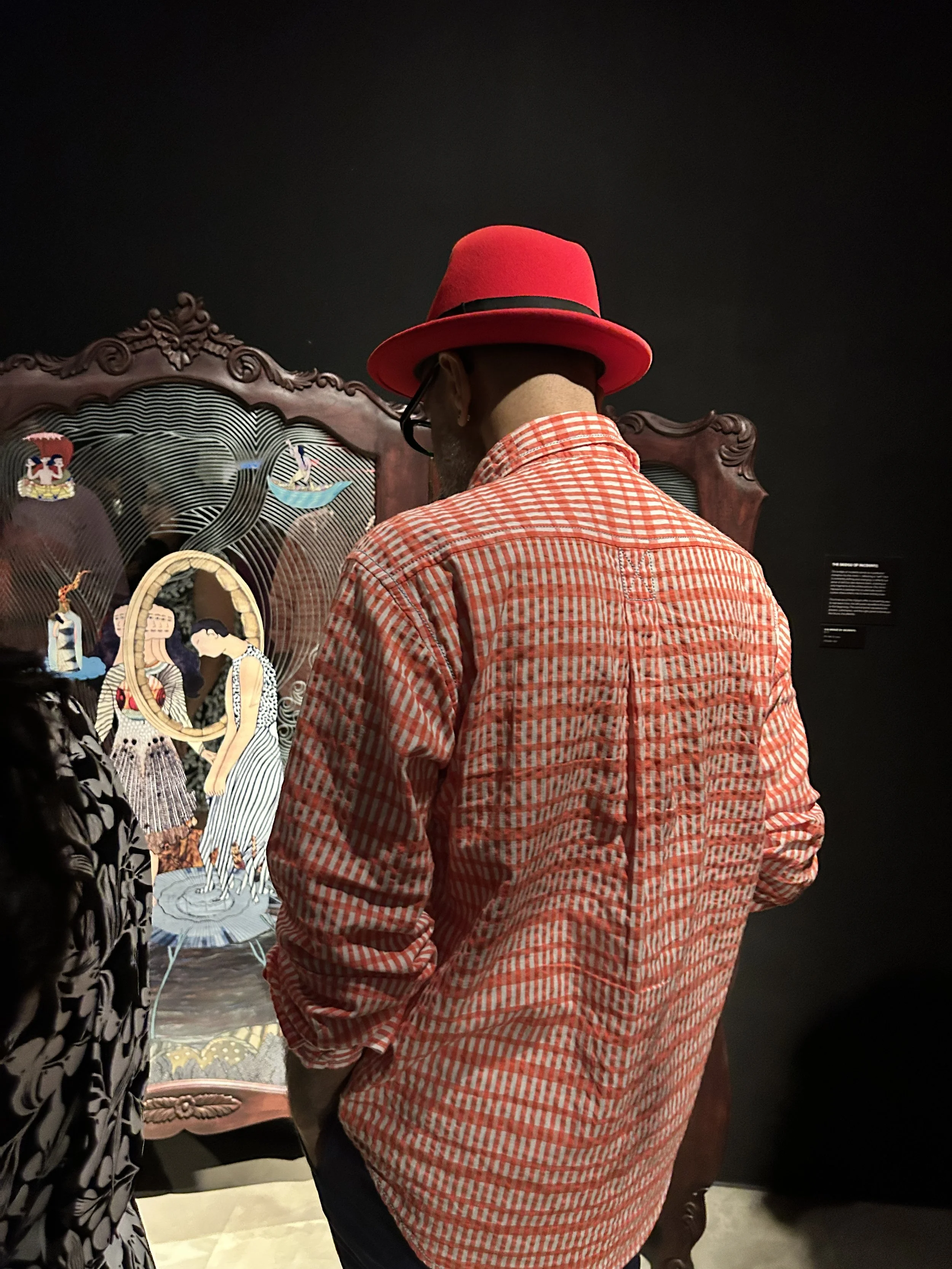
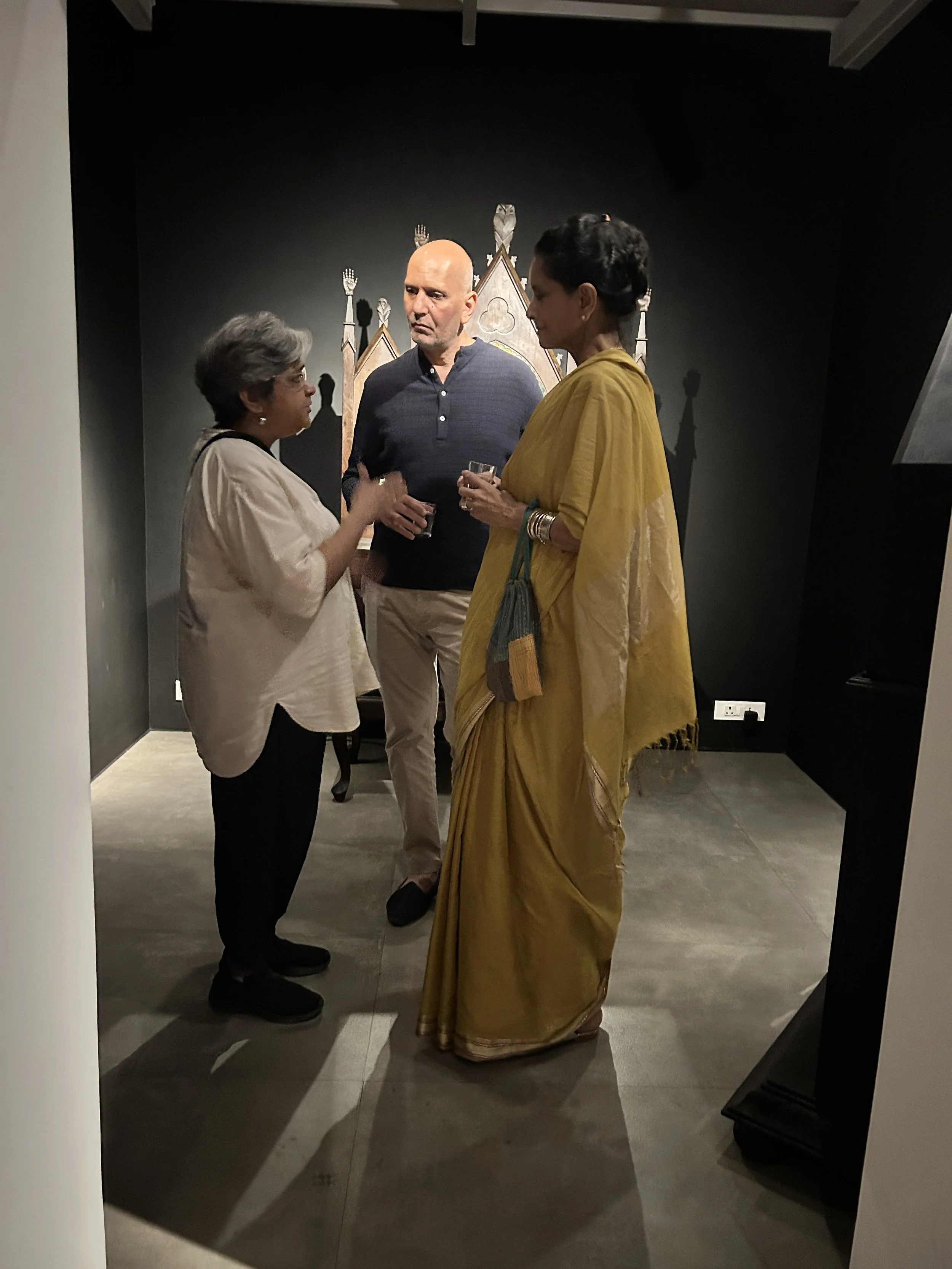
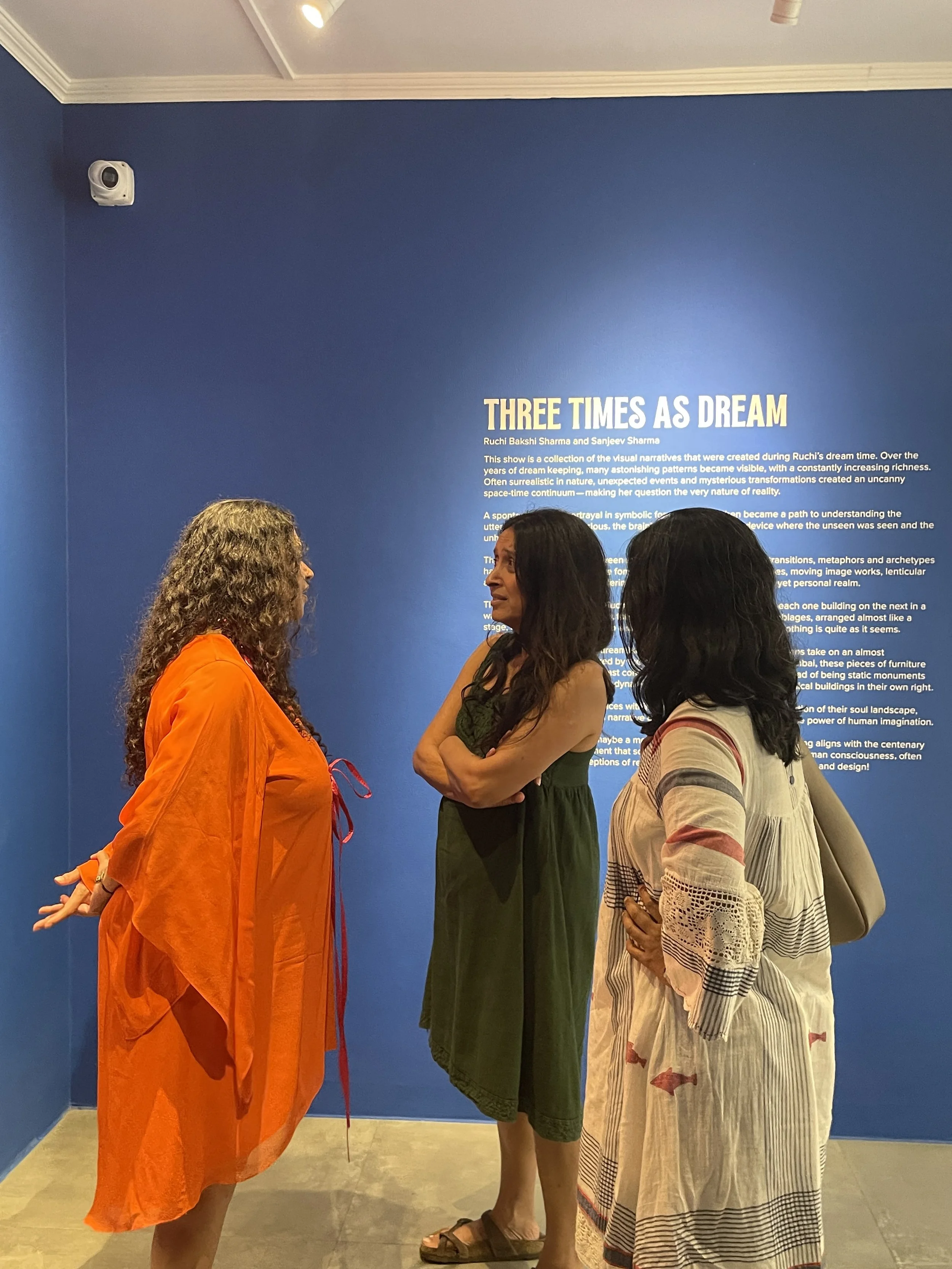
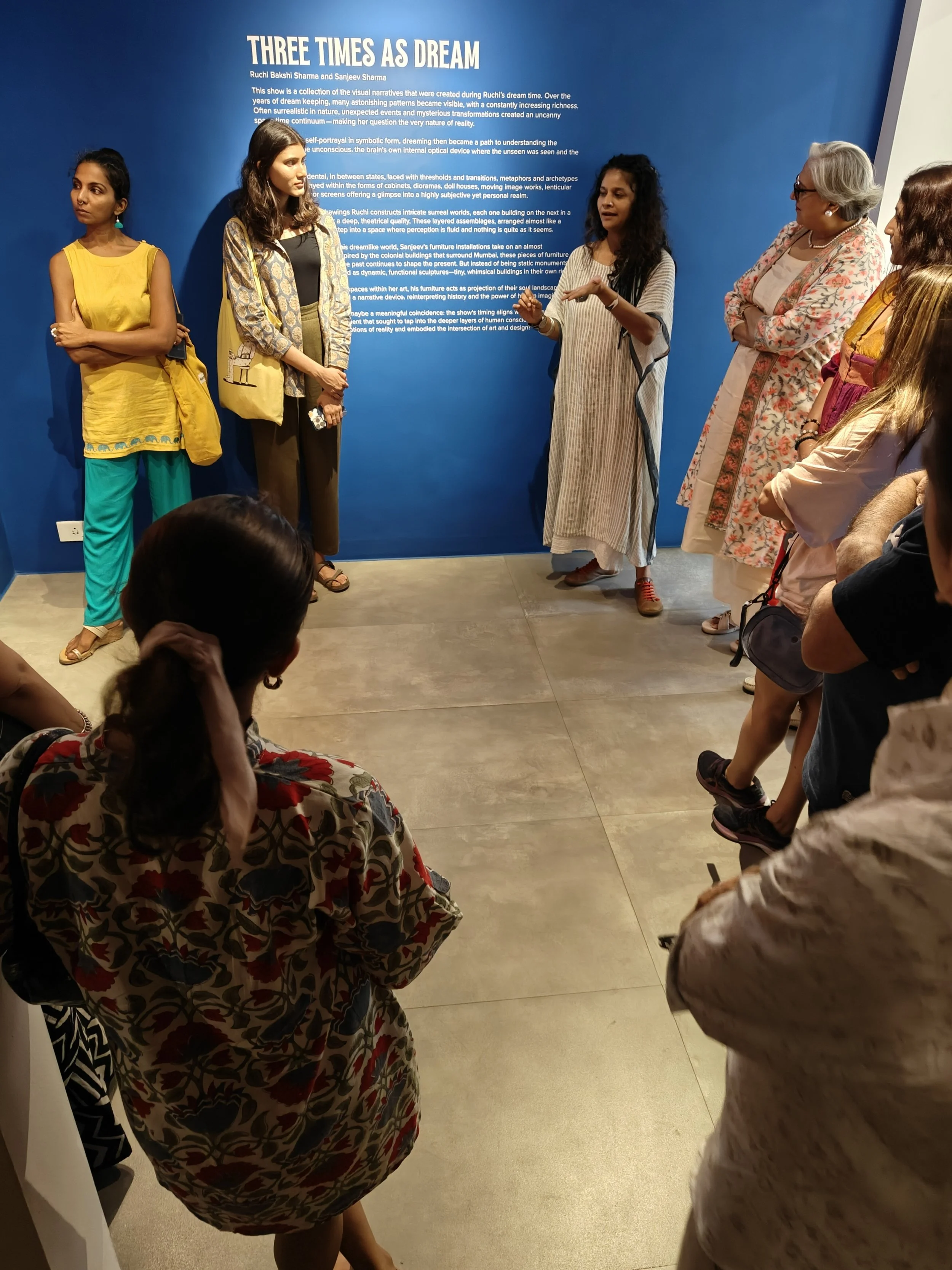
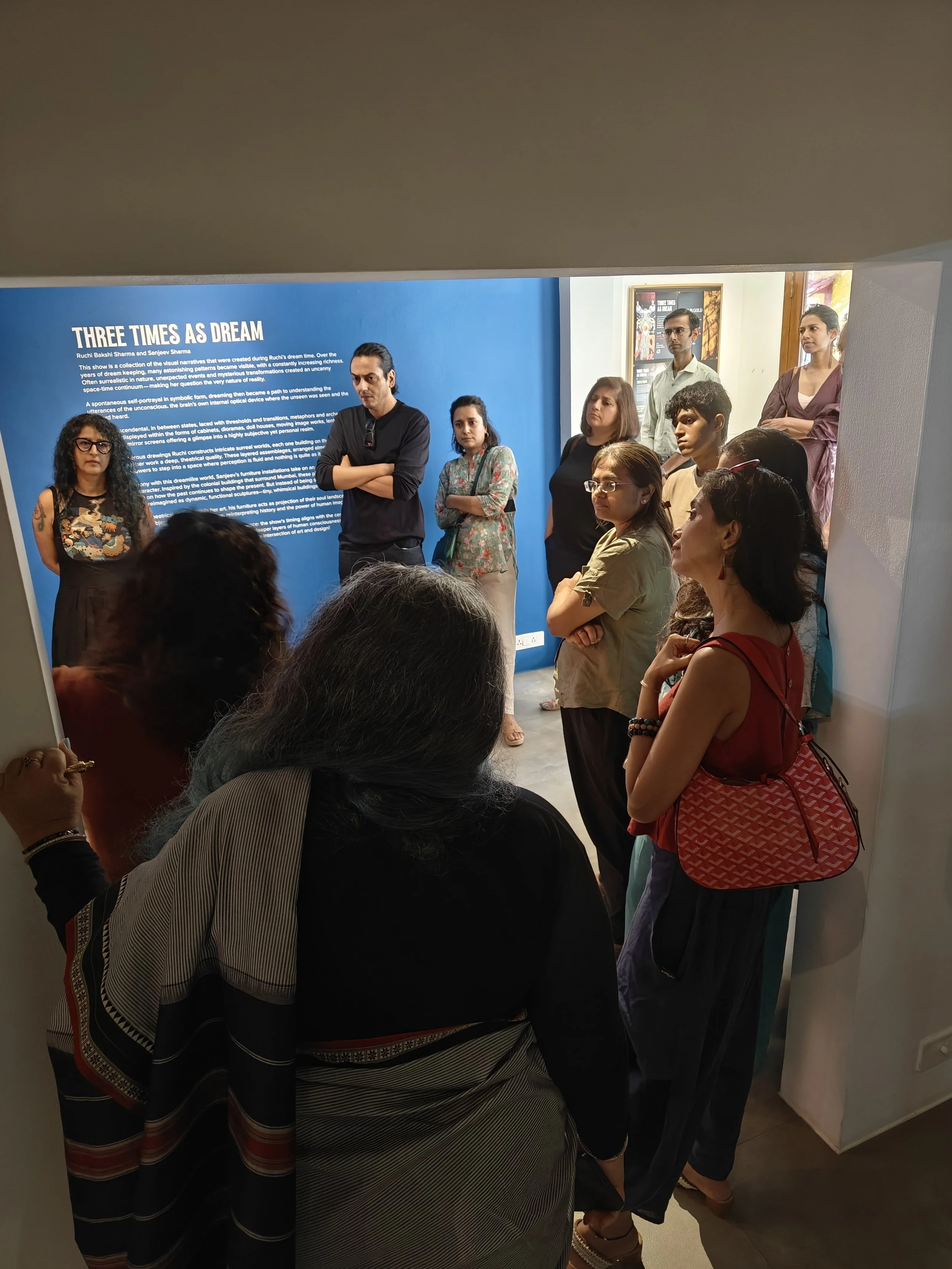
Strikingly, the exhibition’s debut aligns with the 100th anniversary of the Surrealist movement, echoing its legacy of probing the unconscious and redefining reality. The uncanny resonance to the centenary conjures André Breton’s Manifesto anew, asking: What if the brain’s most private theatre staged its visions for all to witness?Both movements share a creed: to plumb the unconscious, to let the irrational sculpt reality. Yet Ruchi pushes further, rendering dreamspace not as abstraction, but as habitat. To step into her world is to wander a mind mid-reverie.
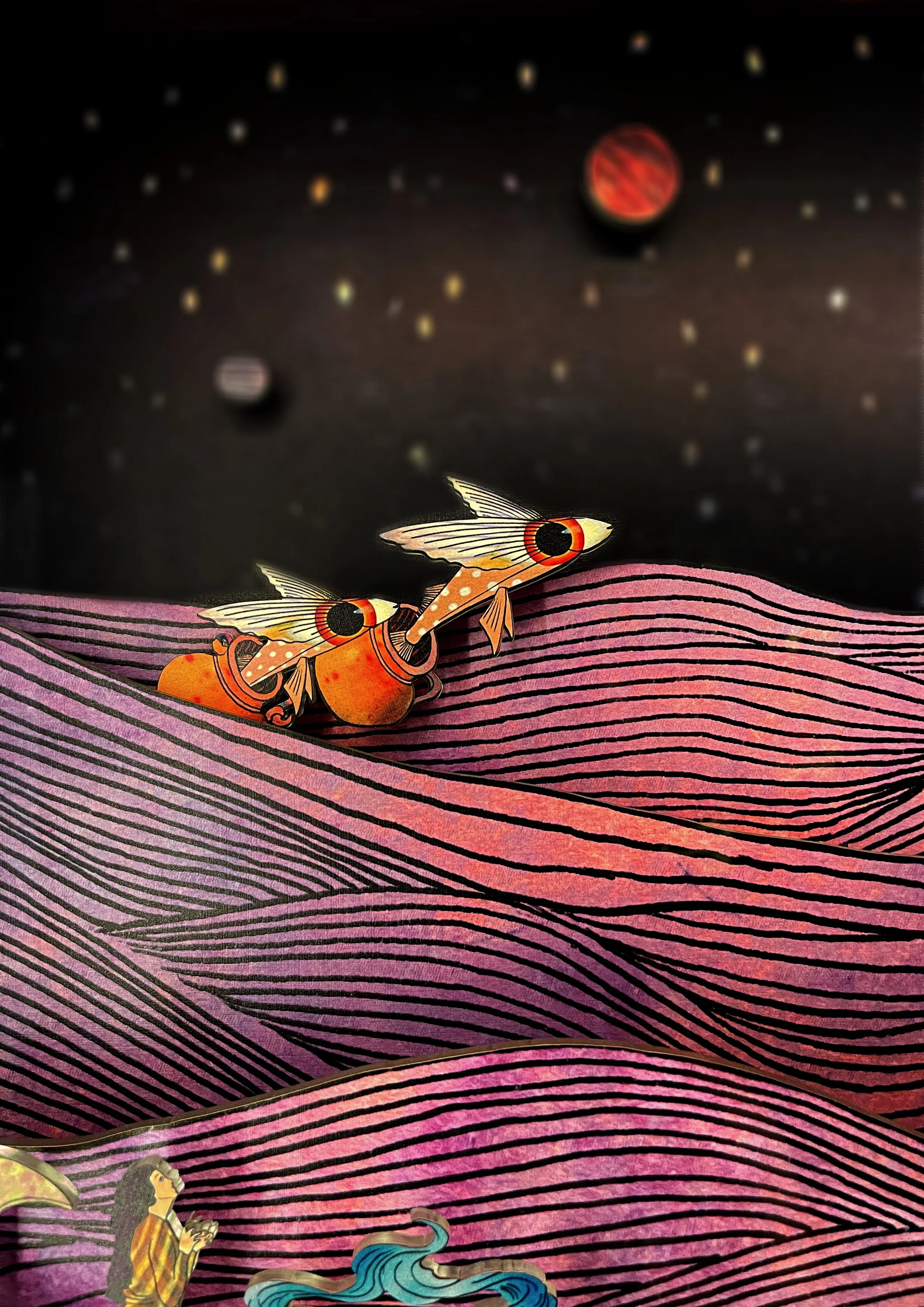
"Dreams are the mind’s most ancient language, yet they speak in riddles we’ve forgotten how to decipher. By externalizing these visions—giving form to the formless—I’m not just sharing a diary, but inviting others to recognize their own subconscious glyphs. The ‘intimate’ becomes universal when we realize how often our dreams borrow the same archetypes, the same sacred geometries. Surrealism taught us that privacy is an illusion; the unconscious is actually a collective territory.”